Skip to content

We bring nature into your home to help you create your own style

Español Basket
Basket

IV. Sustainable living: the rise of natural materials

by Juliette Decor

The rise of natural materials

The boom that followed the discovery of synthetic plastic is now some way behind us. We still use plastic widely and there’s no avoiding it, but we’ve moved into a second phase. Now that its drawbacks are as familiar as its advantages, we treat it with some caution. We know it’s best used sparingly, and that we should turn to biodegradable materials wherever they can replace synthetic ones that may pollute the environment.

In interior design today, plastics and synthetic fibres sit alongside highly prized objects made from natural materials. Quite a few design movements favour objects that are biodegradable by nature. More and more people see the need to live sustainably, and that encourages interior design that respects the environment.

We accept that plastic is necessary, especially in industry, construction and technology, but we also look for alternatives wherever we can, for example by replacing plastic bags with paper ones in shops. That doesn’t go far enough. Getting better at recycling the plastic that’s already been made would do more to prevent polluting waste.

TOWARDS SUSTAINABILITY

It’s at home that the shift towards a more sustainable mindset is most noticeable.

NATURAL MATERIALS HAVE ALWAYS HELD THEIR PLACE IN SOME SETTINGS AND DECORATING STYLES
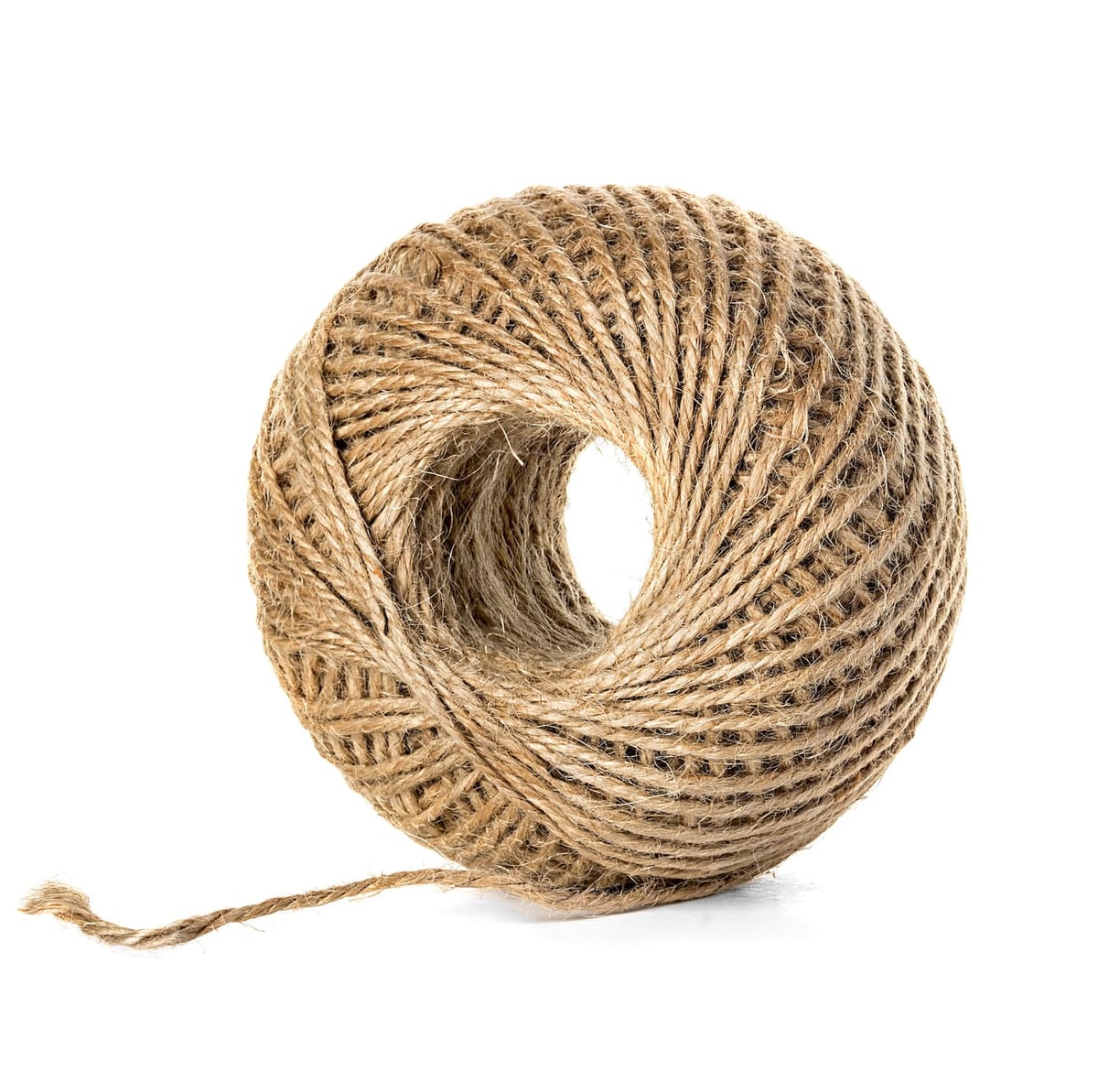
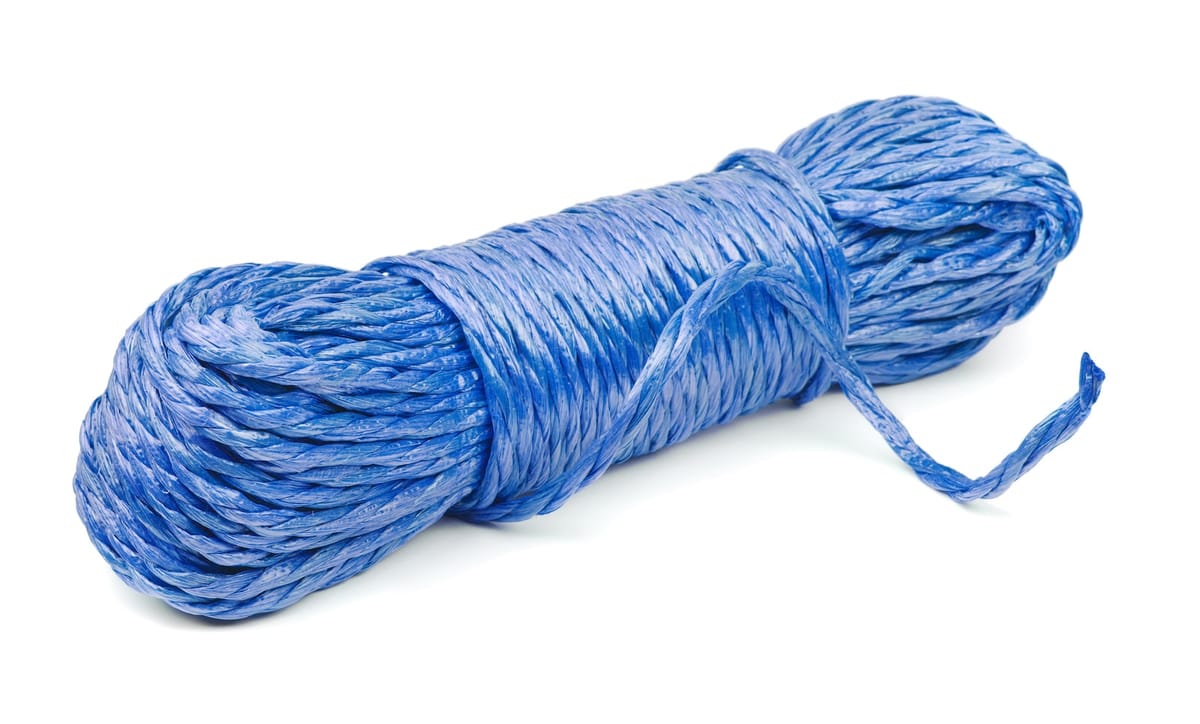
Sisal fibre
Plastic fibre

The taste for more natural materials is on the rise. Wherever possible, people choose natural fibres for their clothes and natural materials for their homes.
Tradition is back in favour, and with it the classic, the genuine and the natural, though they’re now combined in a more relaxed way, in designs that delight in freedom of form.

Many of us still remember a time when iron was iron and wood was wood. When the fire in the hearth smelled of smoke, and at nightfall the only sounds to break the silence were the voices of the family or a guitar… We carry in our genes the memory of habits that lasted for centuries.
The taste for natural things has had its low points in some settings and periods, but not in all of them. Some decorating styles have always stayed true to natural fibres and materials, the Nordic and Japanese styles among them. Knowing a little about them can help you complete the look of your own home in a sustainable style.

NORDIC STYLE AND JAPANESE STYLE

NORDIC STYLE

A village set in the Norwegian landscape: Nordic style has a lot in common with the sustainable home
Nordic style comes from the countries of northern Europe, such as Norway, Sweden, Denmark, Iceland and Finland. The picture shows Norway
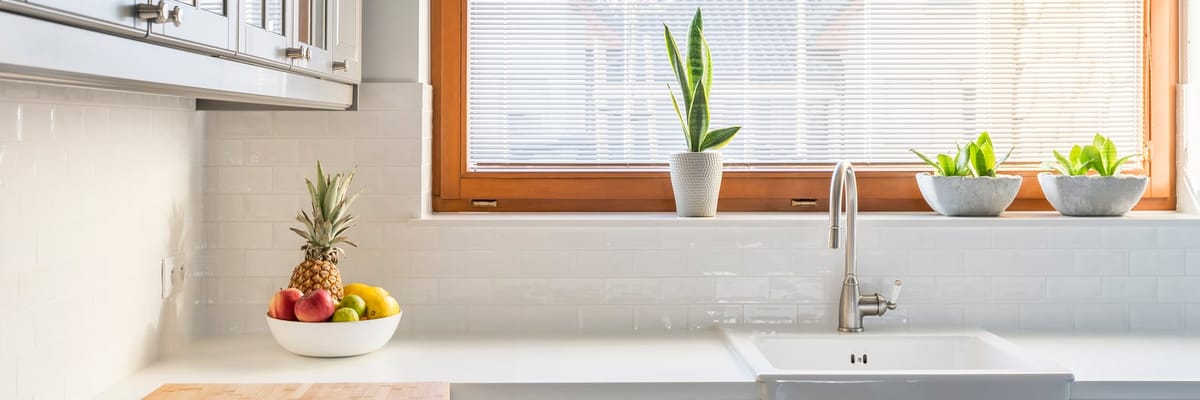
In winter, daylight in the Nordic countries shrinks to four or five hours a day. This has led people to look for bright spaces. They often make the most of the light from large windows by going without curtains, or by using lightweight fabrics that let most of it through. For the same reason, white is the main colour, and it goes well with wood and stone. Like the sustainable home style, Nordic style uses plenty of wood and natural fibres such as wicker and rattan.
Nordic style is warm and welcoming. The climate keeps people indoors for long hours, so they decorate with great care and restraint. They value order and keep their rooms uncluttered and well laid out, which makes the space feel larger. They also use soft, neutral tones to heighten the sense of light
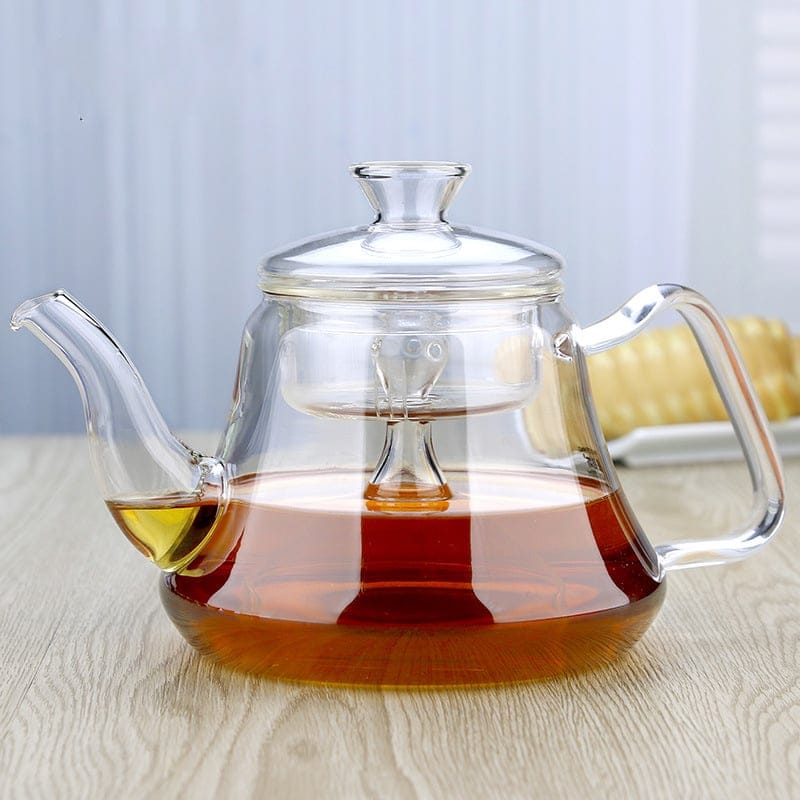
CUPPA glass jug for tea
CUPPA glass jug for tea or infusions
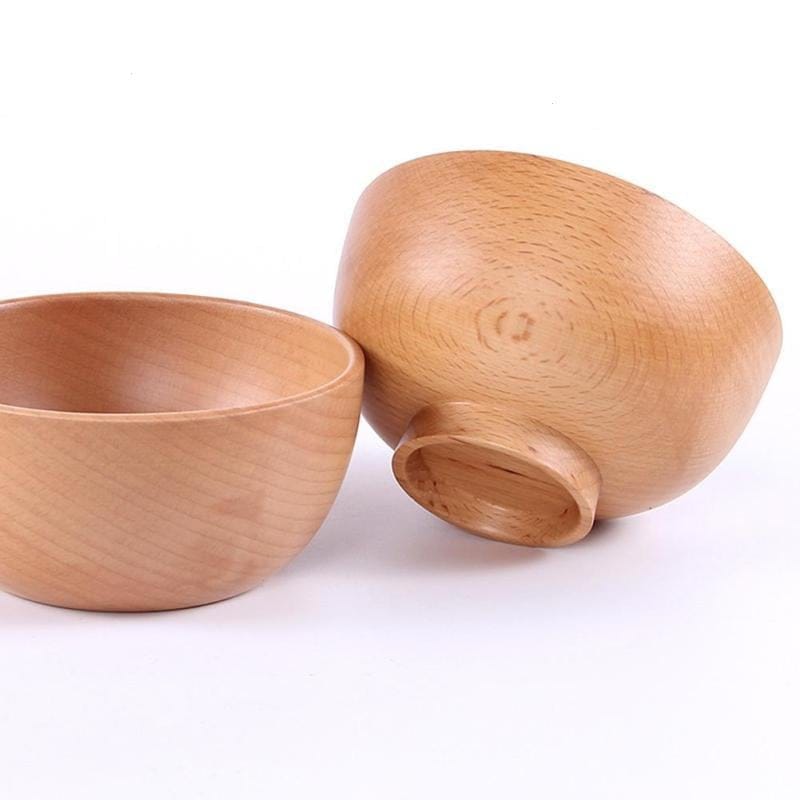
BIRCHER bowl
BIRCHER bowl for muesli and cereal
TOFFEE plate for ice cream or cake
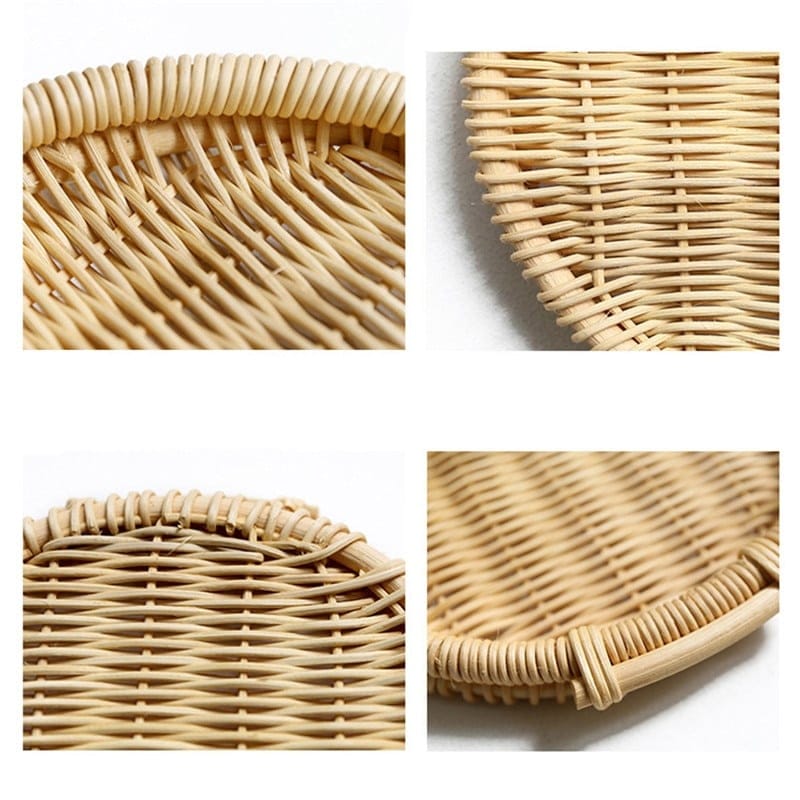
LEVURE wicker and bamboo bread basket

JAPANESE DECORATING STYLE
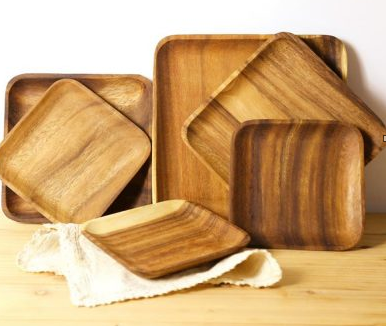
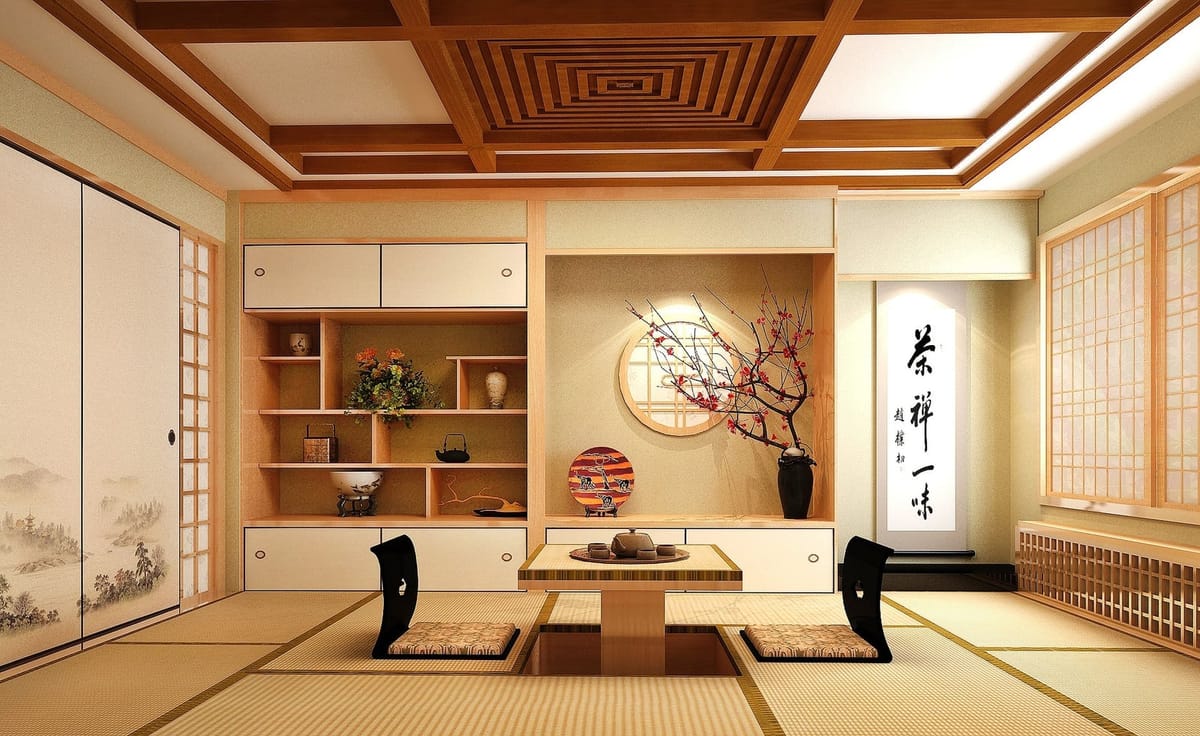
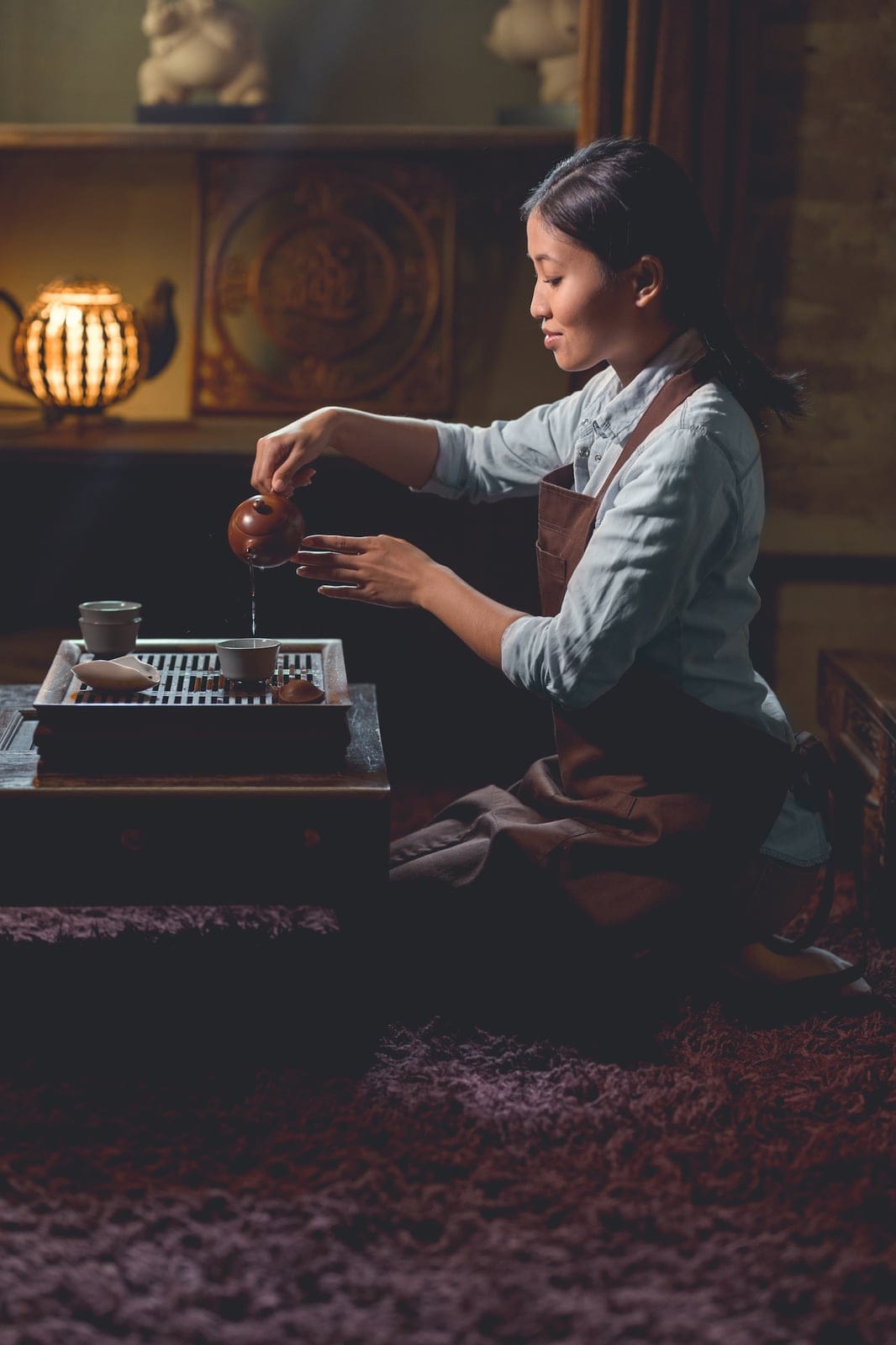
Japanese style is all about clean lines and spacious, light-filled rooms. It’s austere, with just a few ornaments, carefully chosen to bring a sense of relaxation and balance. Like the sustainable home, it favours natural materials, often stone, wood and bamboo, and fabrics such as cotton or linen. The usual colours are neutrals such as beige, light brown or grey, which feel calm and soothing
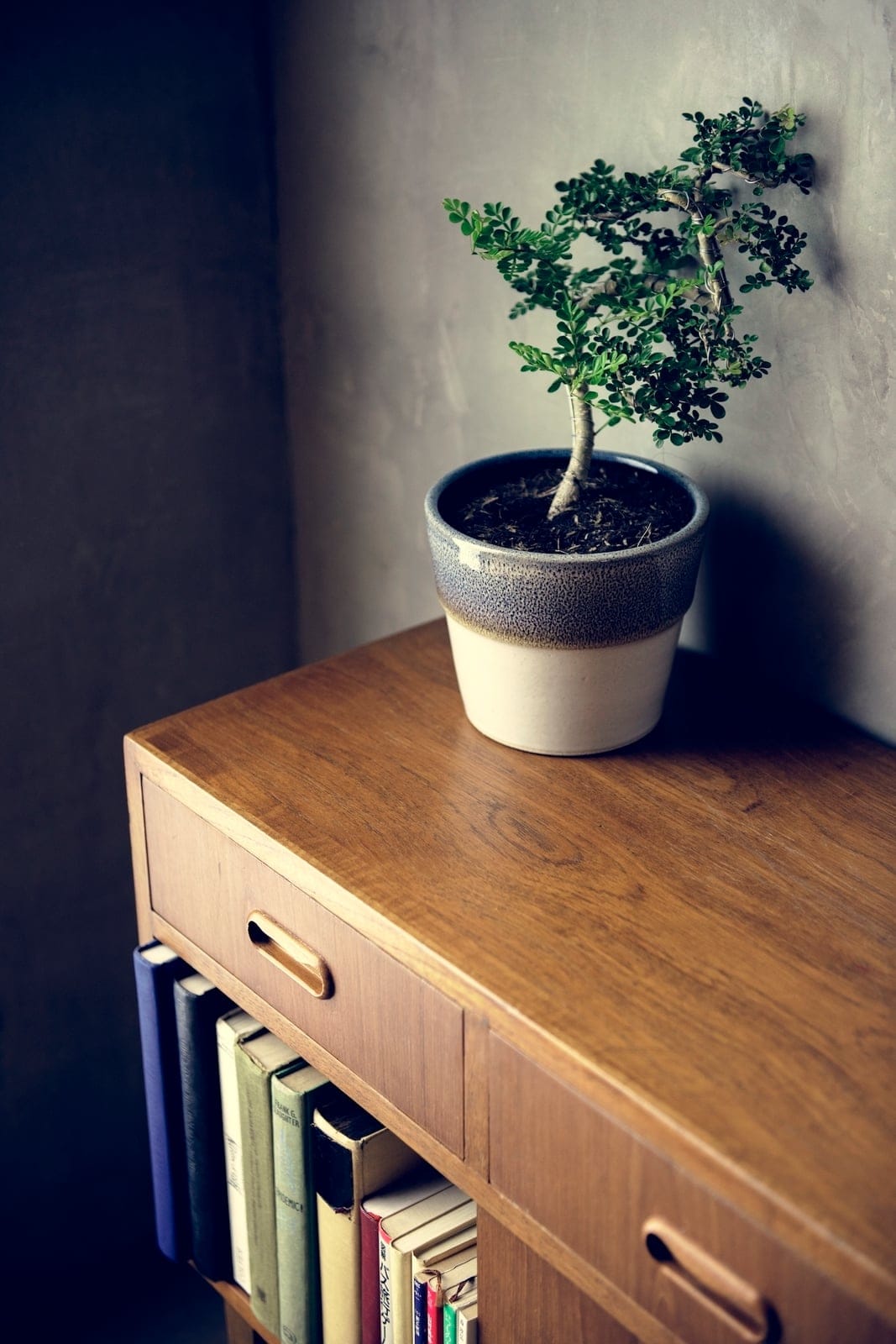
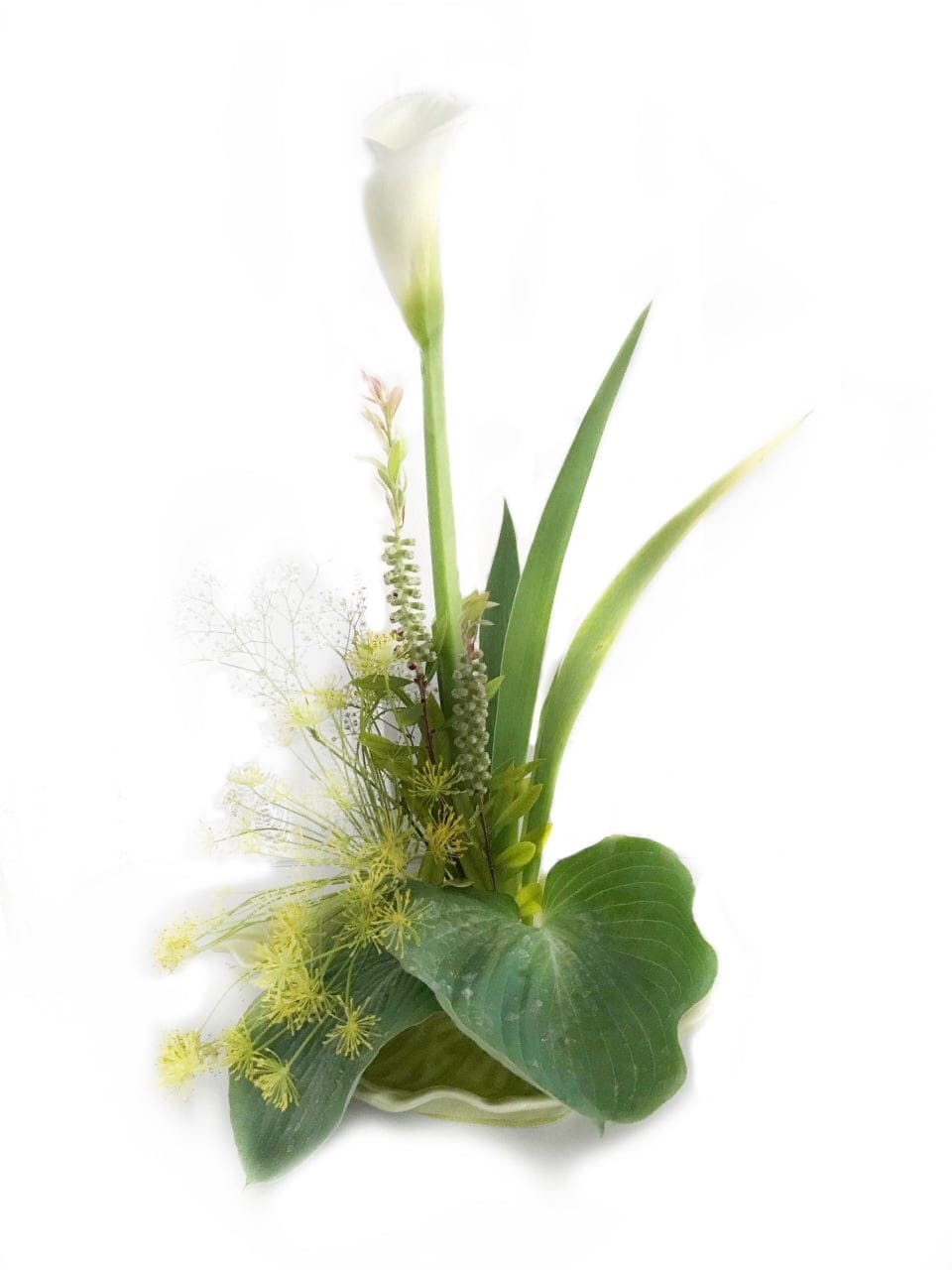
Japanese style is simple and orderly. It makes use of plants: ikebana, cherry blossom, bonsai and bamboo
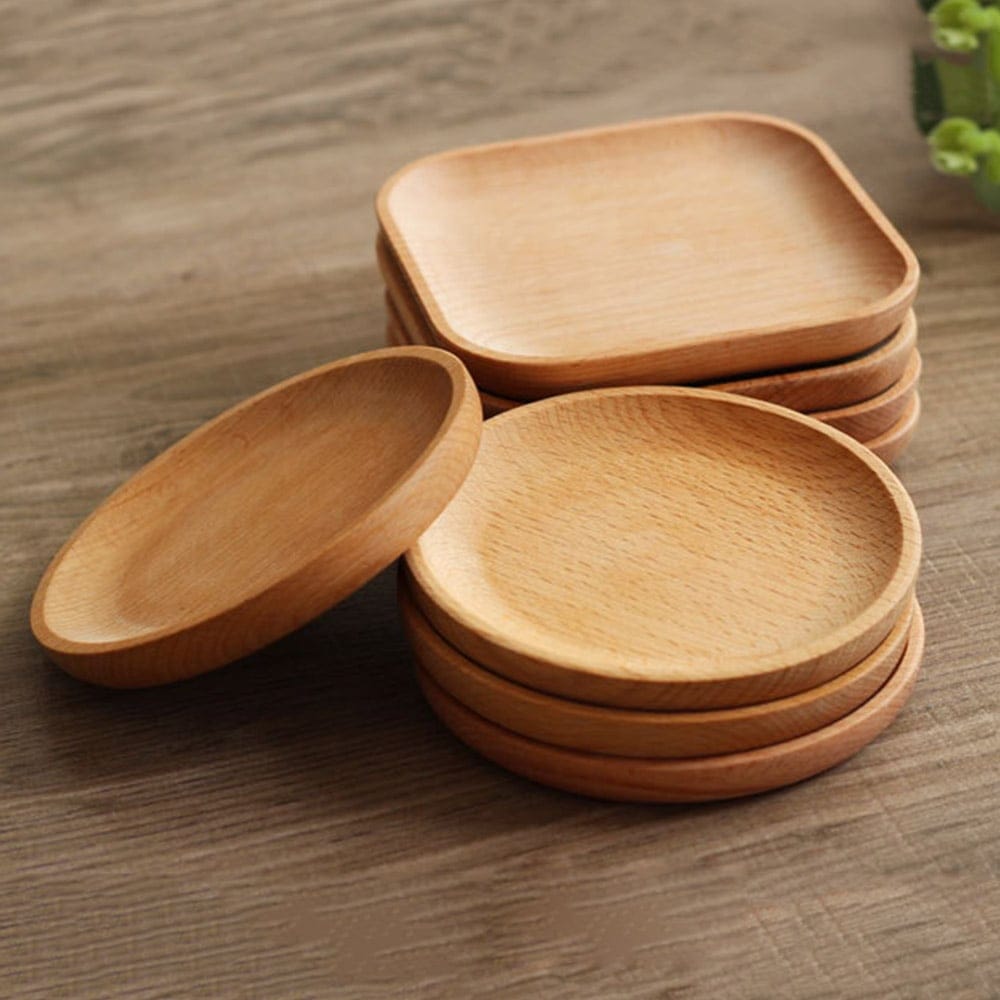
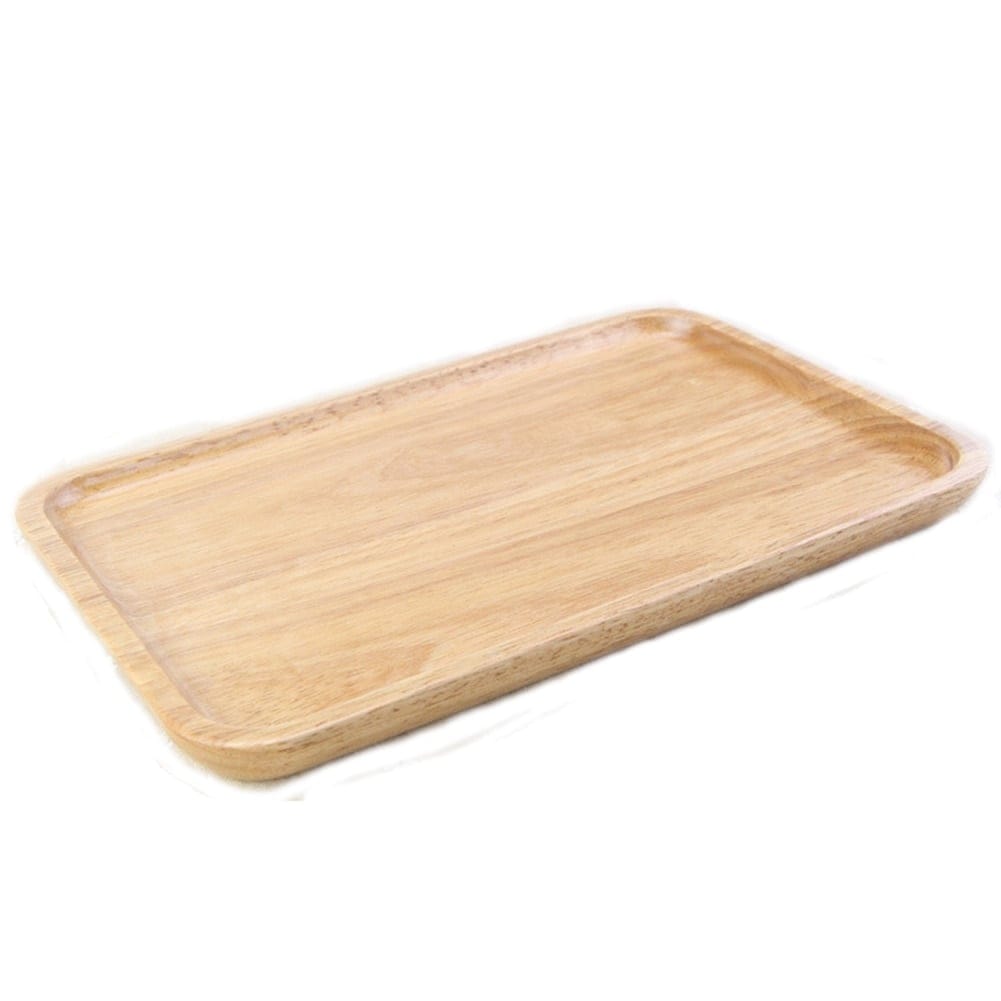
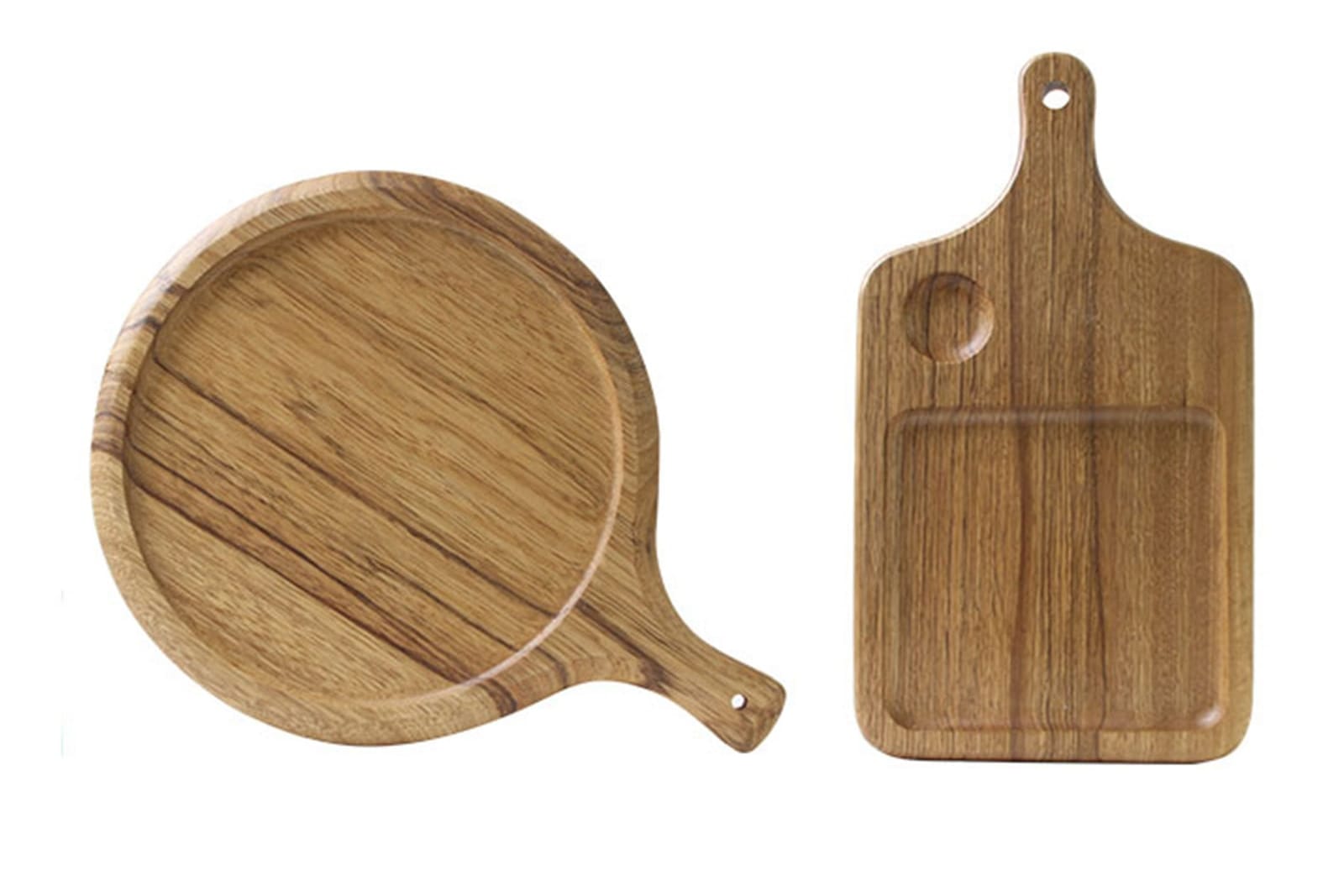
BANCHA small tray
BANCHA small solid wood tray
MATCHA ceramic tea bowl

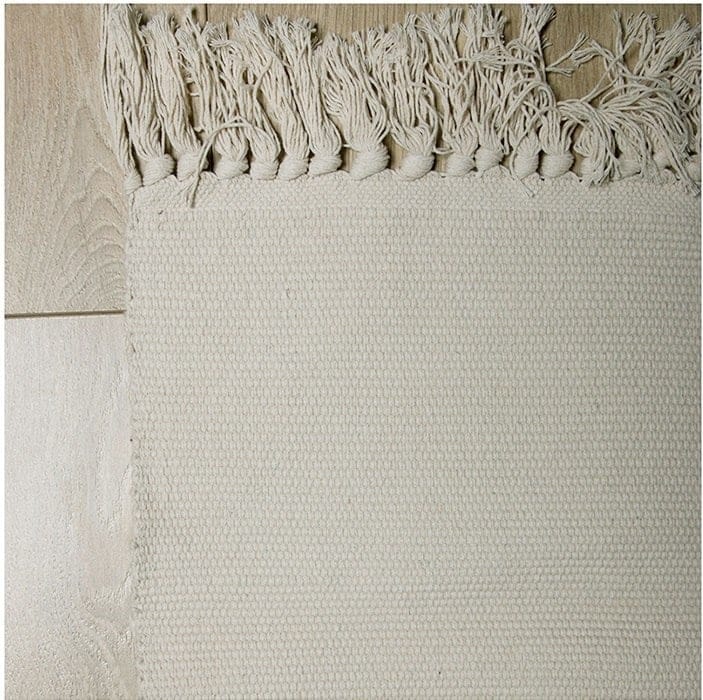
IZAKAYA thick cotton rug
KAISEKI acacia wood tableware, a warm, distinctive Japanese design
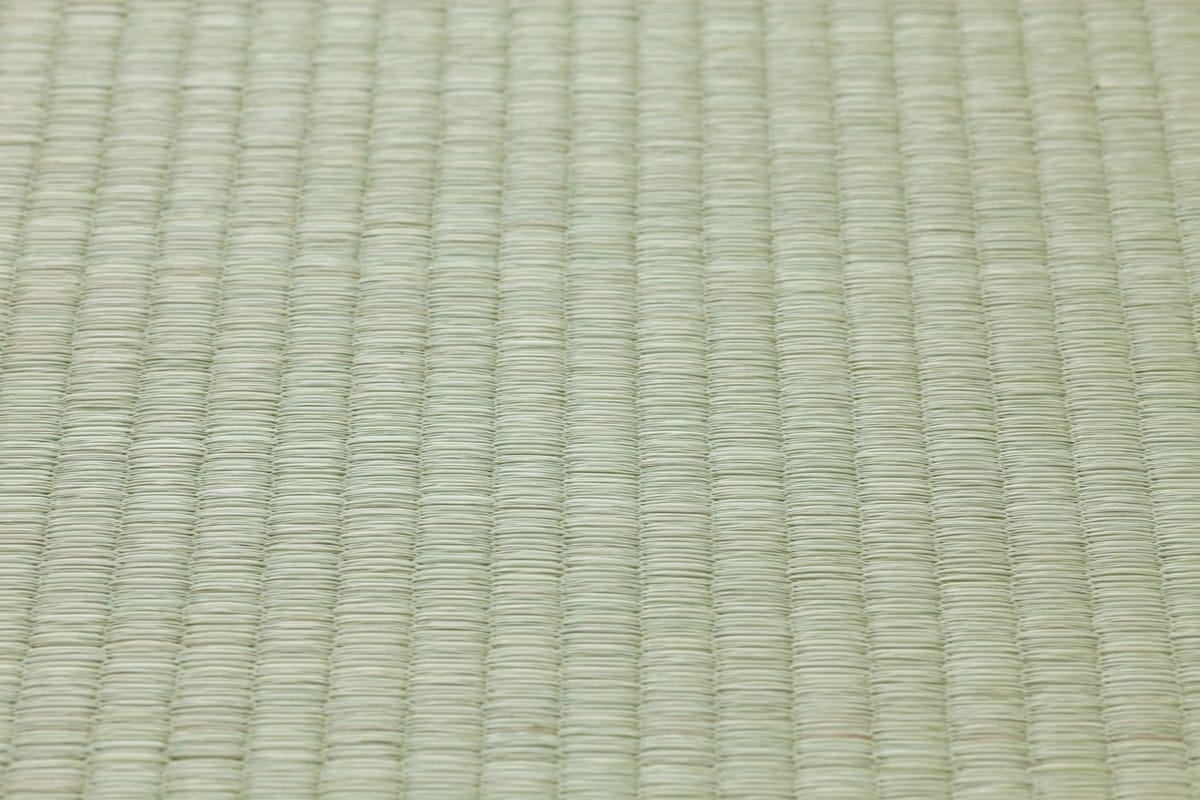
Tatami, the straw matting that covers the floors of a Japanese home
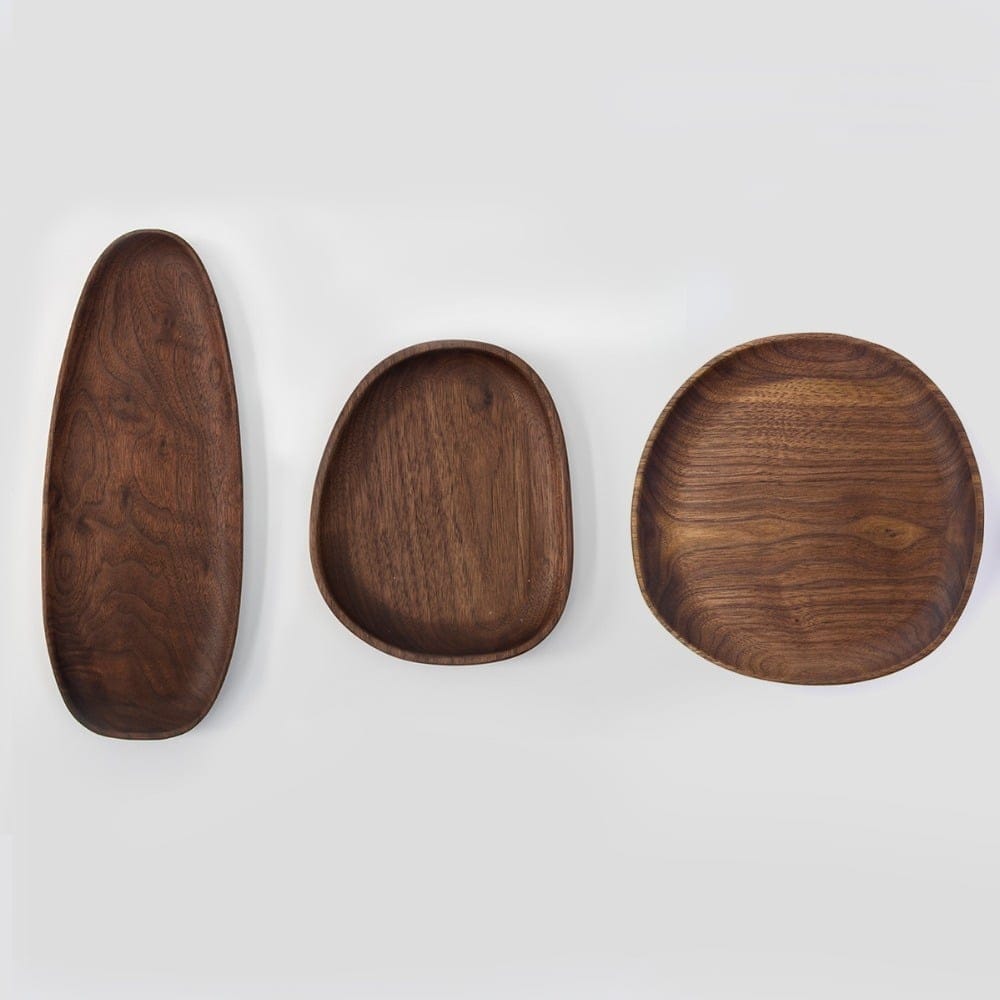
UME walnut wood serving dish
UME walnut wood serving dishes
Ikebana by Colette
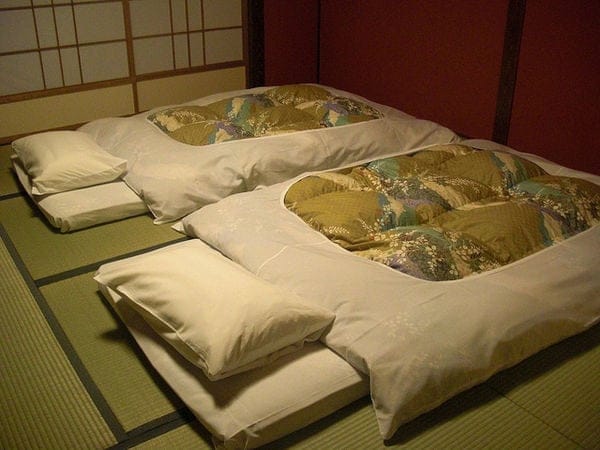
The futon (a traditional Japanese bed) is a mattress about 5 cm thick. It’s designed to be laid on a tatami floor and is usually folded and put away in a cupboard during the day, to save space. You can learn more about Japanese style in interior design here (in Spanish): https://www.euroresidentes.com/hogar/noticias-vivienda/estilo-japones-en-interiorismo-por-que