III. Sustainable living: natural fibres
STEP TWO: make way for natural fibres
If you want to live more sustainably, go for natural materials. Now is a good time to make your home, shop, café or office more beautiful with furniture and objects that bear the stamp of authenticity. Natural materials are comfortable, a responsible choice and a pleasure to look at and to touch.
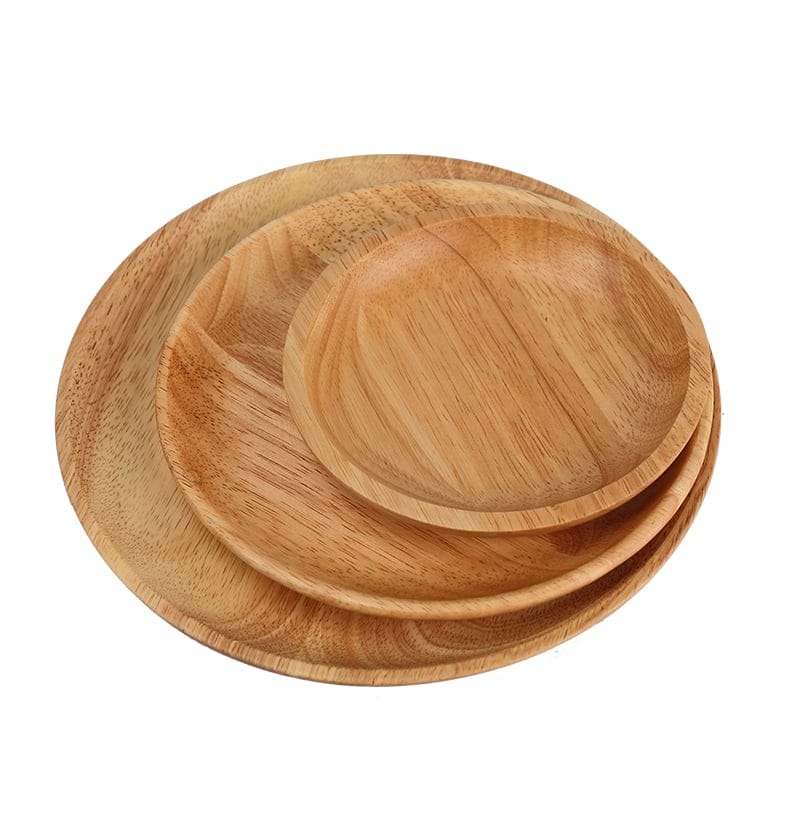
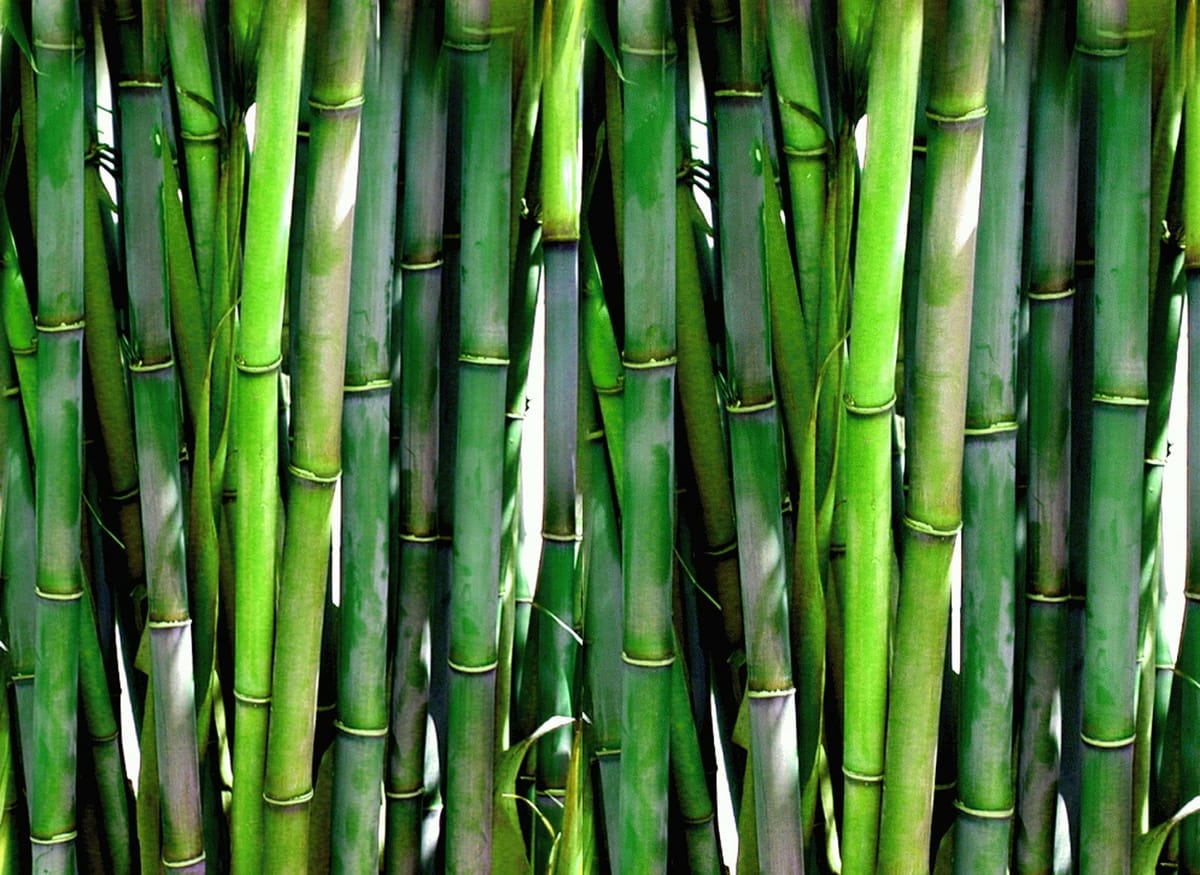
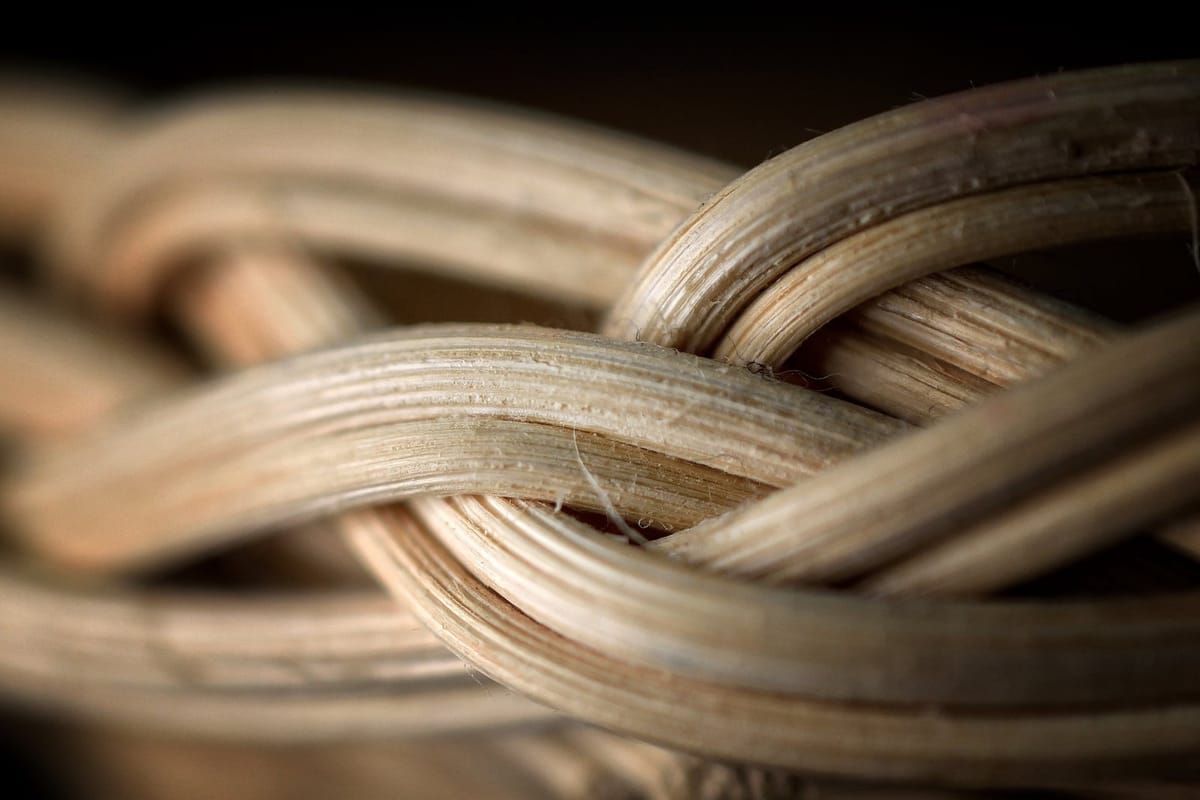
The idea is to really commit to materials that come from a natural, renewable source. This style favours materials that are biodegradable and long-lasting.
They’re breathable, warm and inviting. Most of them, though not all, come from plant species found in abundance in nature.

You can decorate sustainably with furniture, rugs and objects made from natural materials like these:
Clay, bamboo, willow, straw, wood, stone, iron, bronze, banana leaf, palmetto, esparto, rattan, linen, coconut fibre, maize husks, water hyacinth, hemp, sisal, jute, bulrush, wool and more.
The decorative possibilities in this style are all but endless.
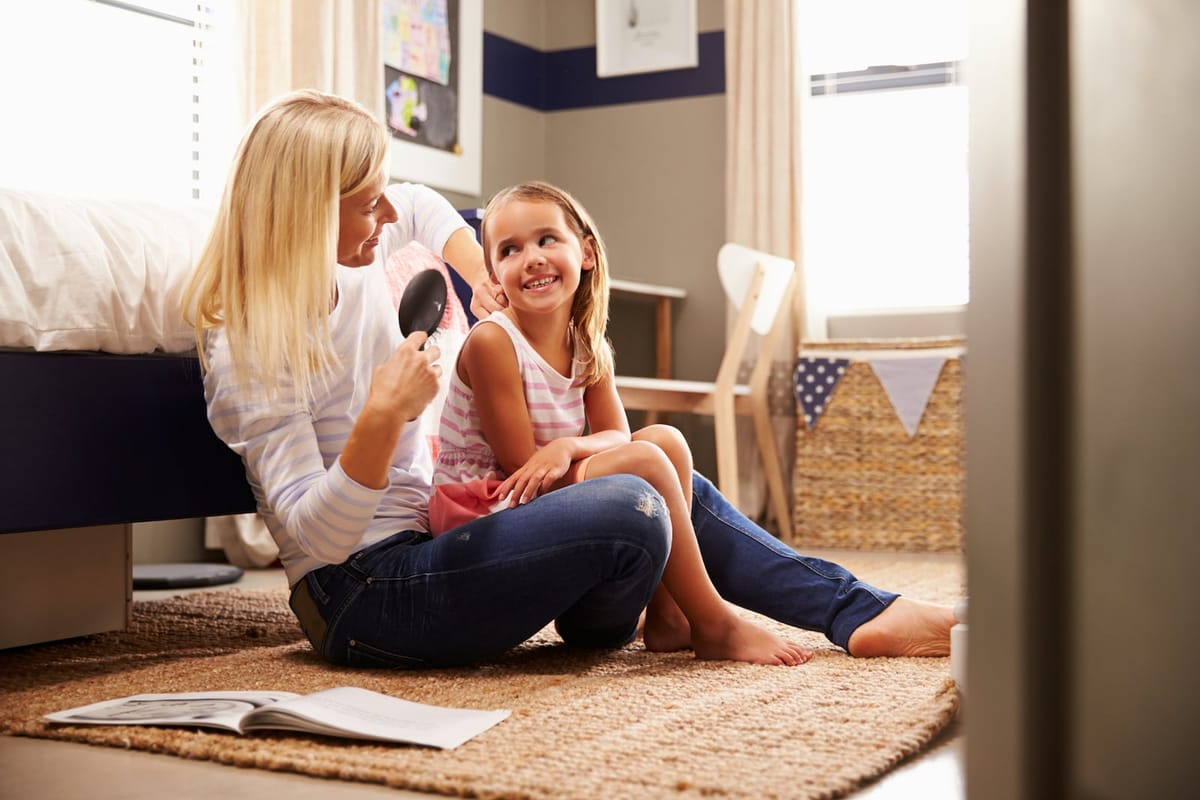

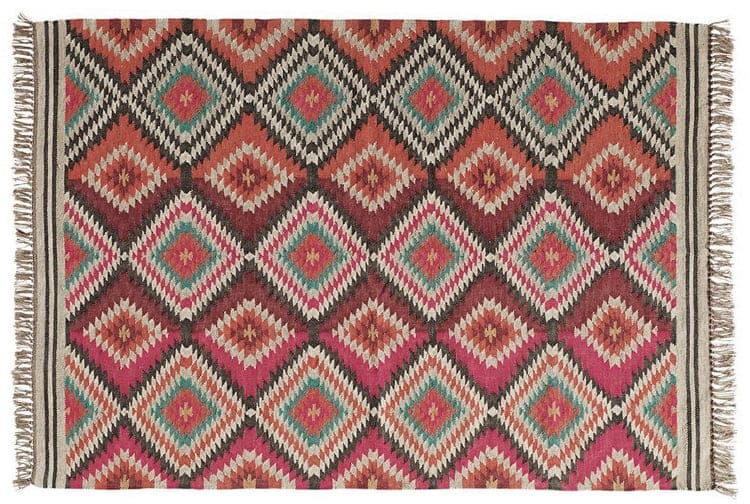
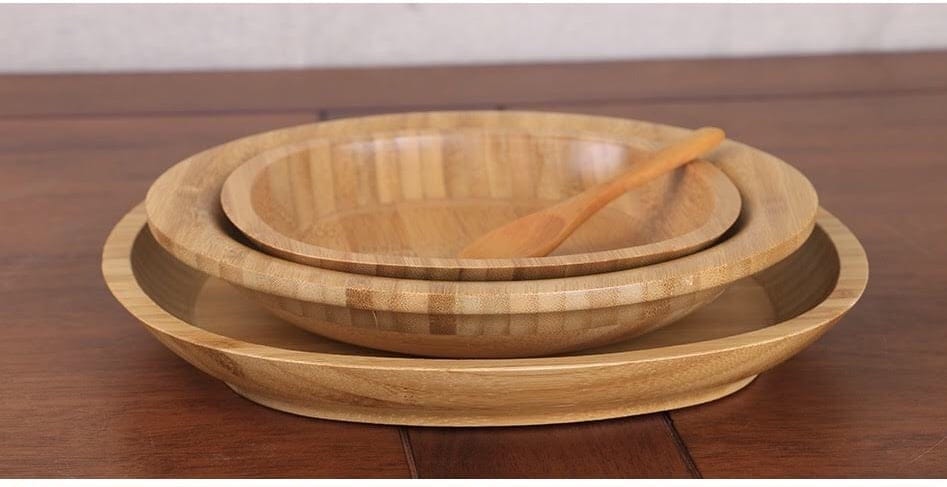
NATURAL OR BIODEGRADABLE MATERIALS: THEIR FEATURES, ORIGIN AND PROCESSING
Biodegradable materials are a natural part of our surroundings. They aren’t used only where they come from: advances in technology have made importing and exporting goods an everyday thing. This has a big bearing on sustainable decor too. Pieces made from these materials are durable as well as biodegradable.
THEY ALWAYS FEEL CLOSE TO HOME
Even when the biodegradable material in our furnishings comes from far away, it will always feel closer to us than a synthetic or artificial object made down the road. That’s because it’s natural. Natural fibres feel familiar, part of the same nature we’re made of. That’s why they work so well in spaces designed to feel warm, comforting and restorative.
Where do the main natural materials that decorate our homes come from? Join us on a tour of the places that produce them, and get to know their features and what the plants look like. For now, here’s a short introduction to two of them.
SISAL AND JUTE
We’re going to look at two natural fibres that are very similar to each other, so you can get familiar with them, discover their finer points and see how often they turn up in everyday life. You’ll enjoy learning to tell them apart. In a later post we’ll also introduce you to other common natural materials.

SISAL
Sisal is a natural fibre that comes from Agave sisalana, a plant native to Mexico. It grows in hot areas, including dry land that is no good for other crops, which is why it’s grown in many different countries, such as Kenya, Brazil, China, Cuba, Haiti, Madagascar and Mexico. The biggest producer is Brazil, followed by Tanzania and Kenya.
The plant is a rosette of sword-shaped leaves, between 1.5 and 2 metres tall. After the harvest, the leaves are cut and crushed to separate the pulp from the fibres, which are around 1 metre long. It’s a glossy fibre, creamy white in colour. It’s coarse, tough, strong, durable and stretchy.
It doesn’t absorb moisture easily and stands up to salt water, which makes it a good choice for things used near the coast. Its fine surface texture takes a wide range of dyes. In the photo, from hadithikenya, you can see the effect of natural dyes on sisal baskets.
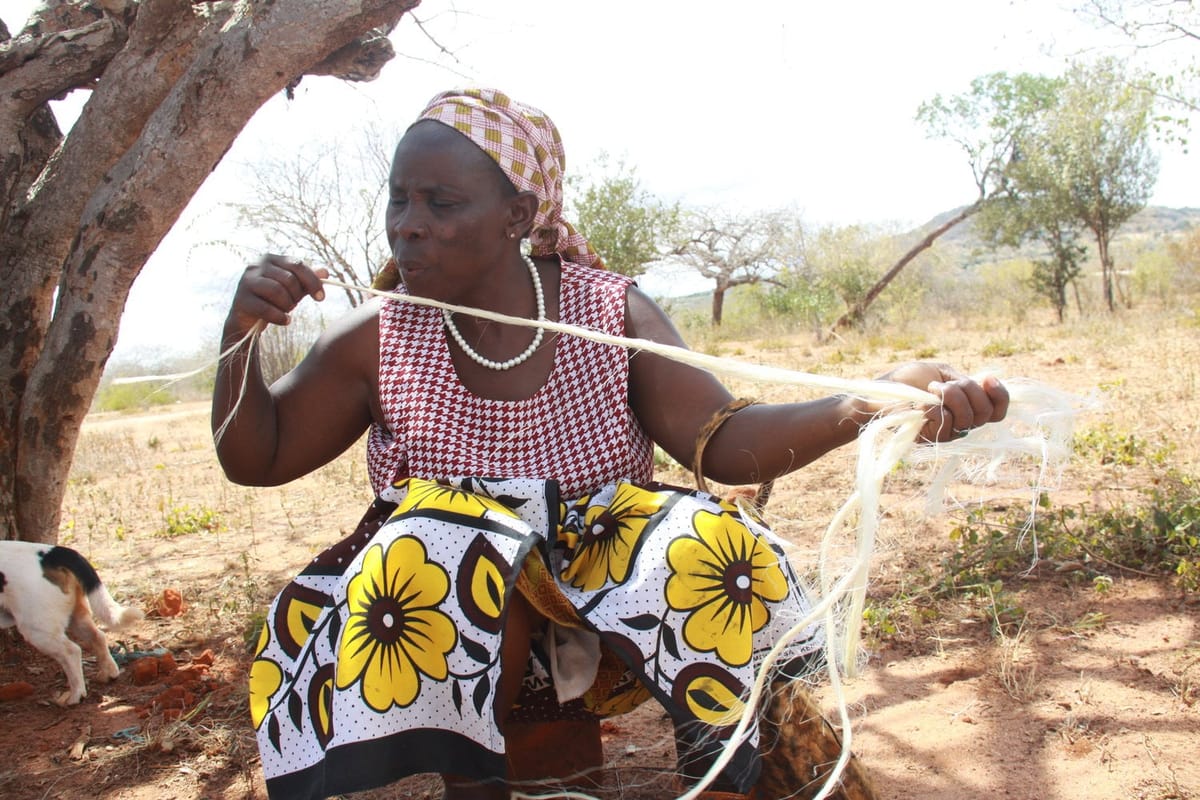
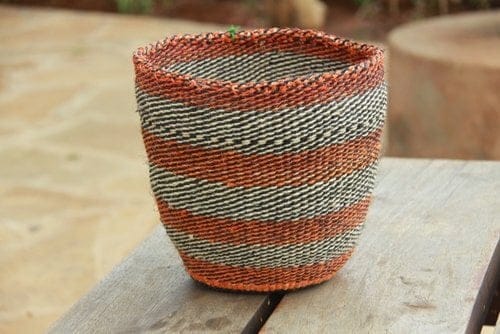
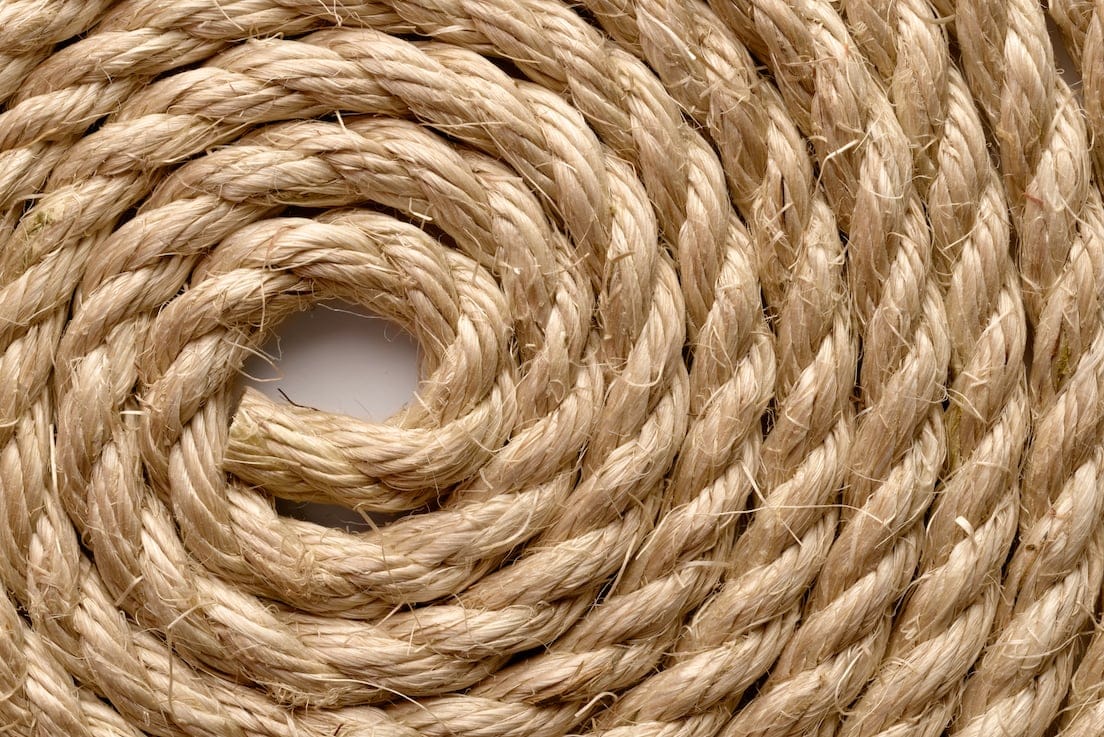
Sisal is used for twine and rope, and woven into strong fabric for bags, baskets and hampers. It’s also made into placemats and charger plates. As a rug it’s warm and very hard-wearing, and it resists damp better than jute. Today it’s also used for speciality paper, filters, geotextiles, mattresses and wallpaper.
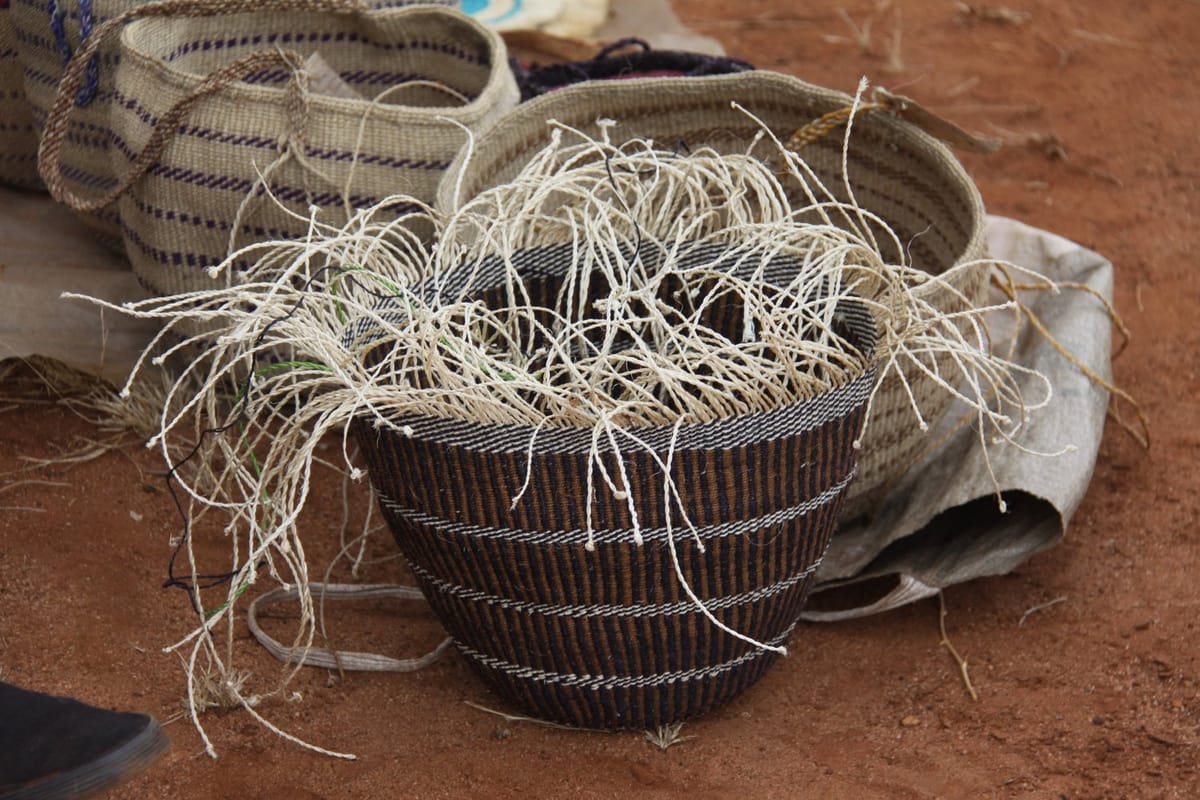
To find out more about how sisal is grown and worked in Kenya, we recommend visiting the website these images come from. They’re courtesy of https://www.hadithikenya.com/sisal-baskets-1/
JUTE
Jute is a natural fibre that can come from either of two shrubby plants: Corchorus capsularis or Corchorus olitorius. Both grow 2 to 4 metres tall, and only in hot, humid tropical climates. Eighty per cent of the world’s jute comes from India and Bangladesh.
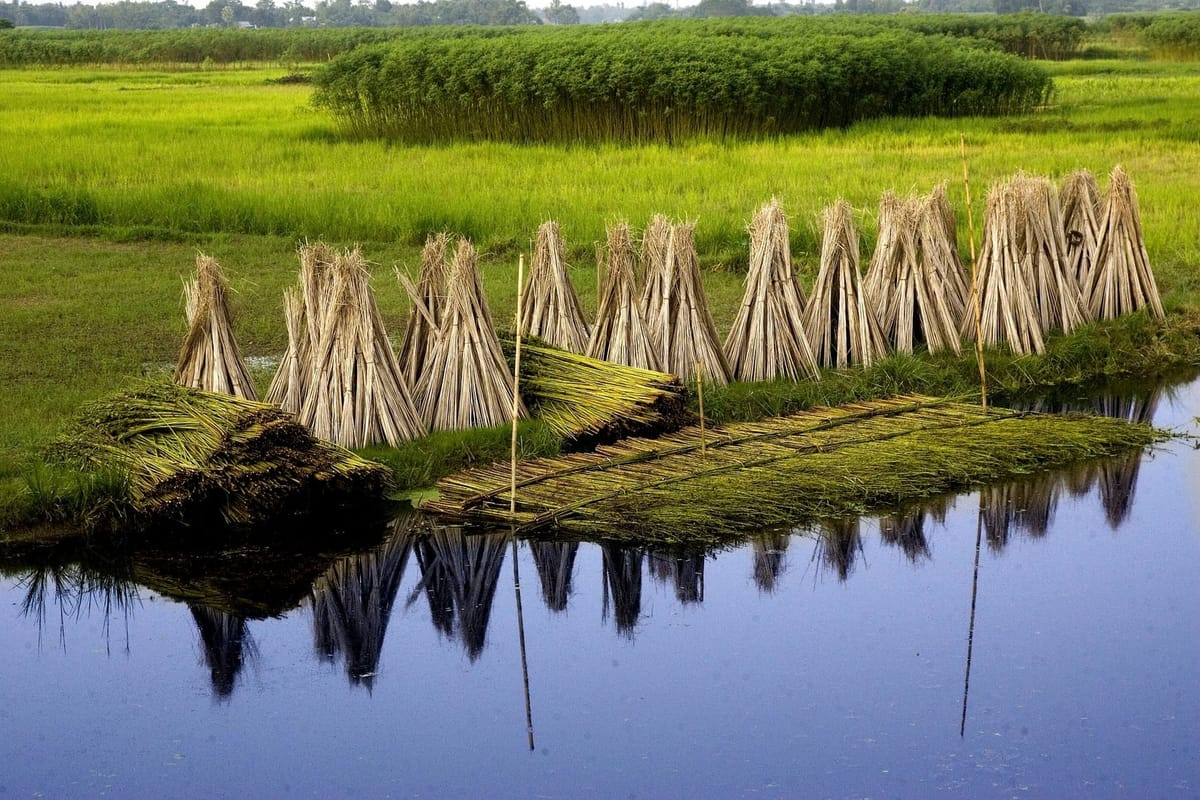
To prepare the fibre, the stalks are cut close to the ground, tied in bundles and left for a few days to dry. Then the twigs and leaves are stripped off, and the stalks are tied into bundles again and soaked in clean running water at around 30 degrees for two or three weeks. This process is called ‘retting’. After that, the fibre is spun, usually into thick or medium yarns up to 4 metres long.
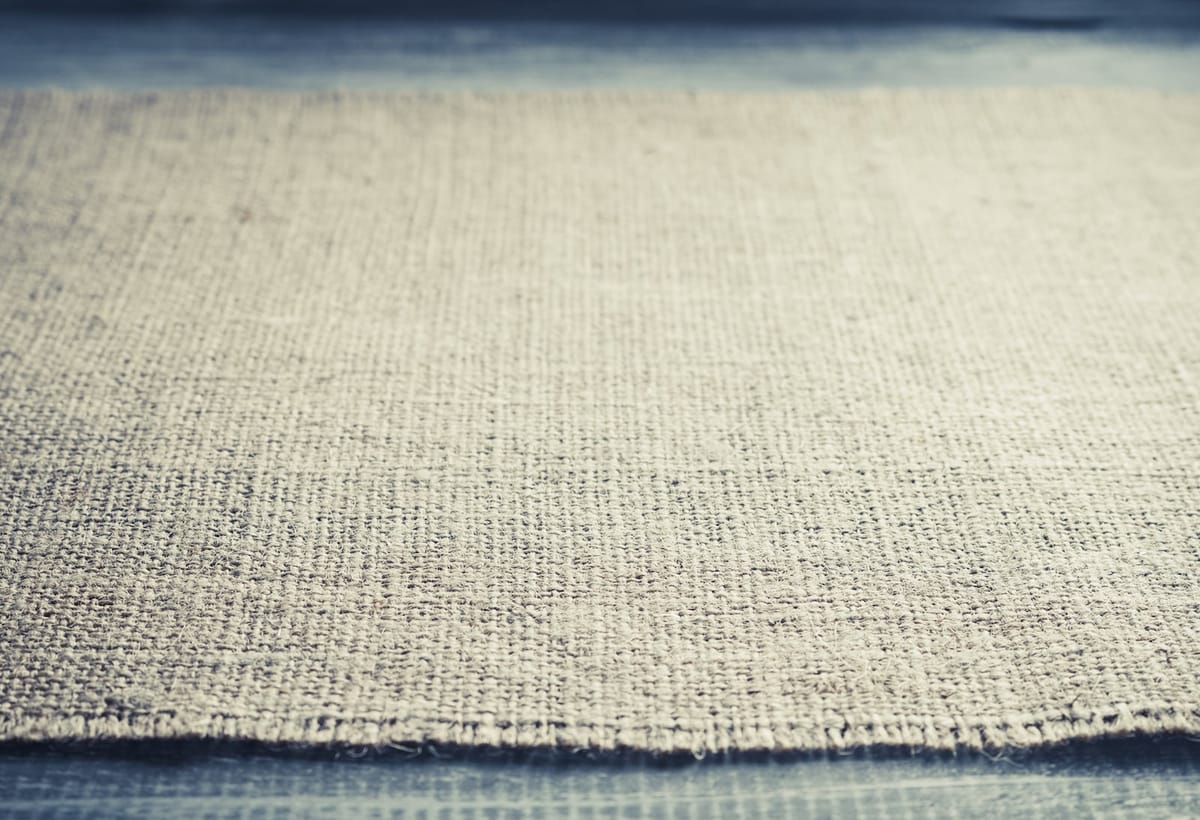
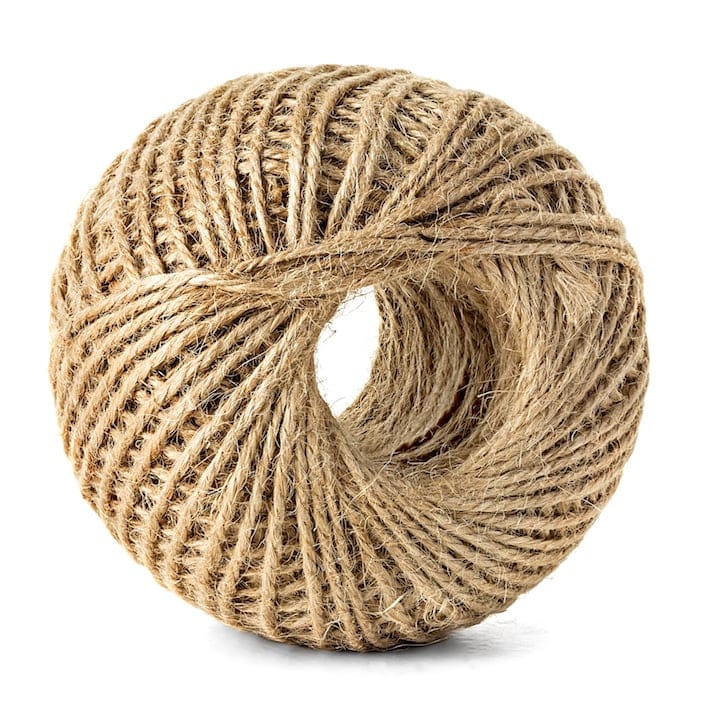
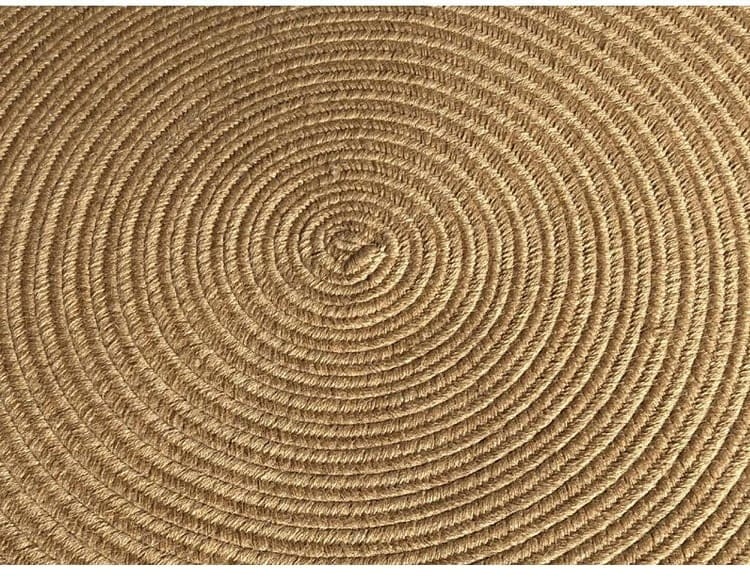
Jute is woven into mats, tapestries, rugs and linoleum, and into hessian for sacks, bags, table mats, webbing and cordage. It isn’t as strong as linen or hemp.
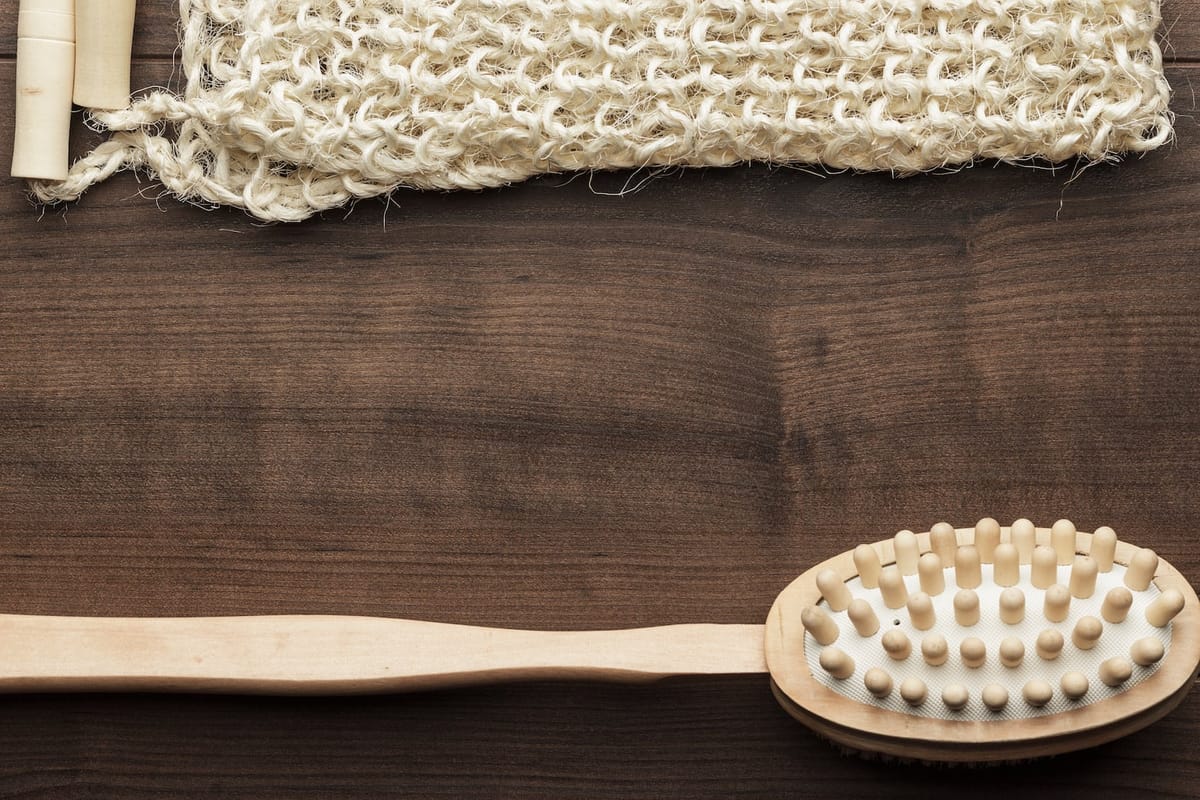
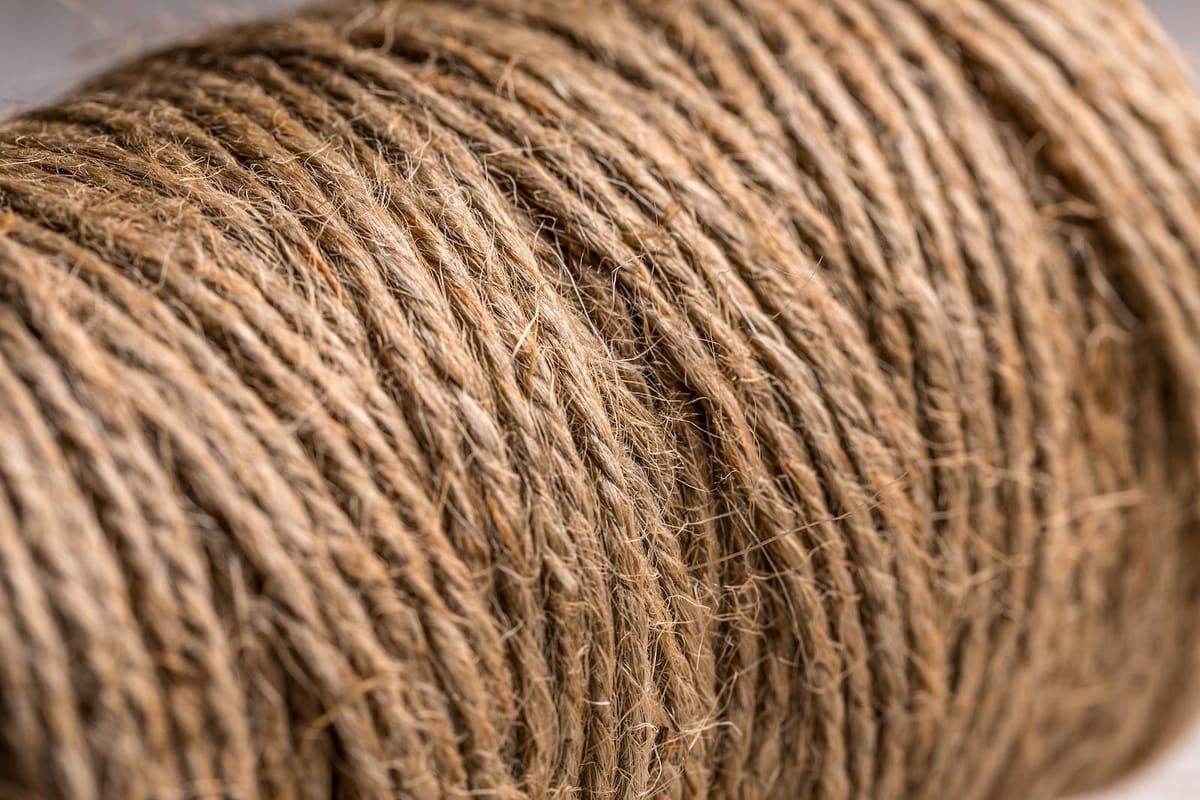
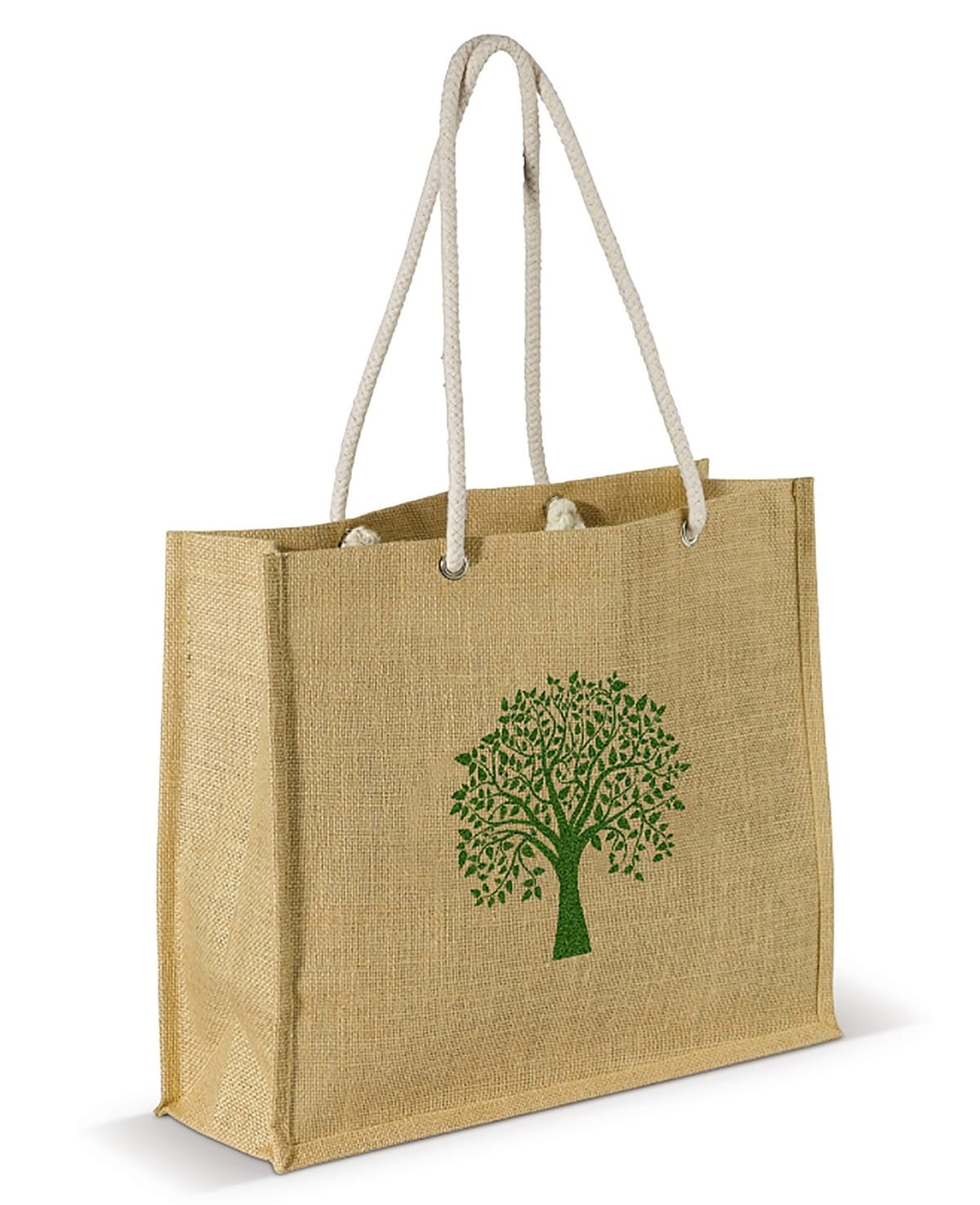
Here are some images of everyday objects made from this natural material. You may be surprised at how much of it is already part of your life, especially if you’ve opted for a sustainable home, or simply love having natural things around the house.
On the trail…
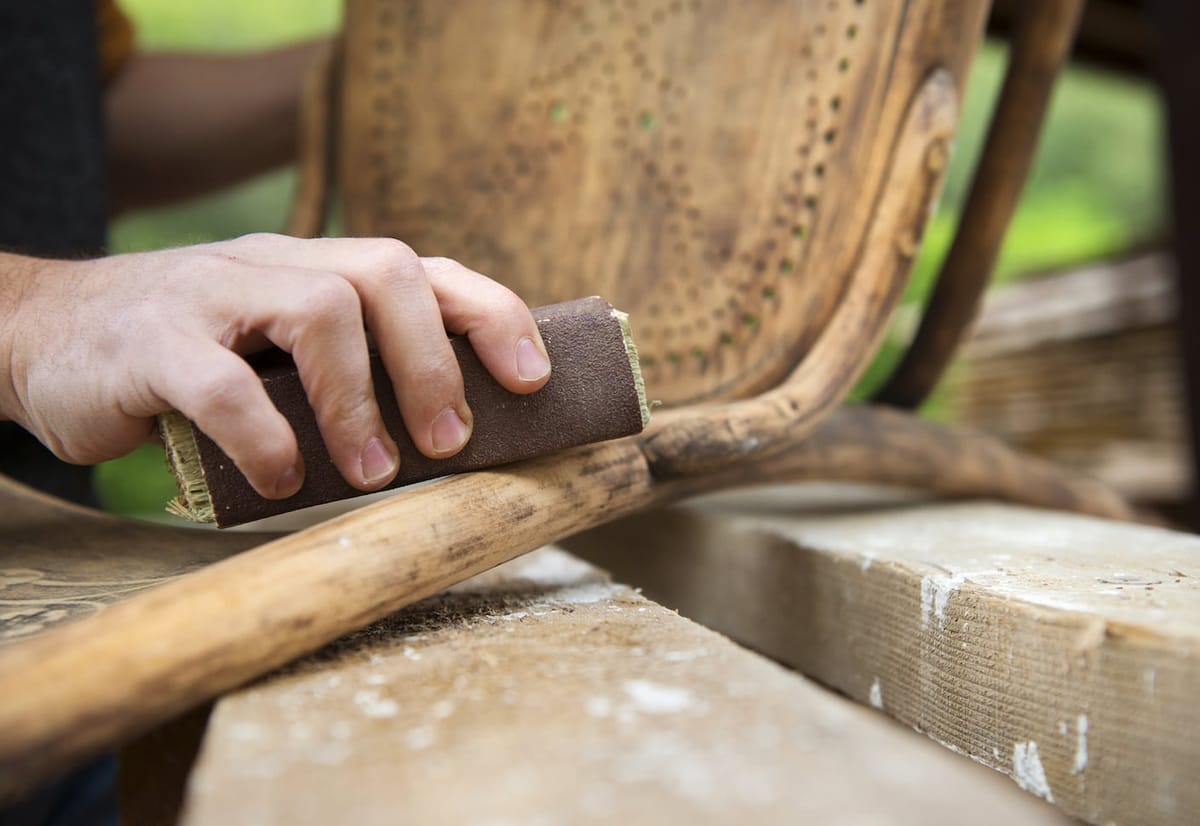
Using natural fibres and bringing plants into the home are, as we know, nothing new. What is new is the reason both habits are now being promoted by business and society alike: the urgent global need to get development back on a sustainable footing. Until not so long ago, this kind of decor was the norm.
For centuries, homes were furnished simply, with materials from the surrounding landscape and its animals.
Craftspeople, influenced by the tastes and artistic trends of their day, made furniture and useful or decorative objects that were part of people’s lives. You can see their handiwork in all kinds of pieces throughout the history of art.


The need for beauty, reflected in our surroundings and throughout history
The history of humanity shows that human nature is sensitive to beauty and delights in it. You can see this, among other things, in the way people have always cared for and adorned their surroundings, and in the artistic legacy they have left, and go on leaving, as they pass through life.
Few decorative objects have come down to us from prehistory (25,000–3000 BC), because the materials were so fragile.

In antiquity (3000–300 BC, Egypt and Mesopotamia), exquisite interiors and furniture were already being made for palaces and temples.
In the classical age (1000 BC–AD 300), the Greeks and Romans expressed their art in textiles, furniture and the decoration of palaces and temples. They produced great sculptures and paintings, and began to use new colours in their work, such as purple.
The Middle Ages (300–1400) saw profound styles such as the Romanesque and the Gothic. Artists poured their feeling for beauty and their sense of the Infinite into the architecture of churches and into paintings, furniture, textiles and tapestries.
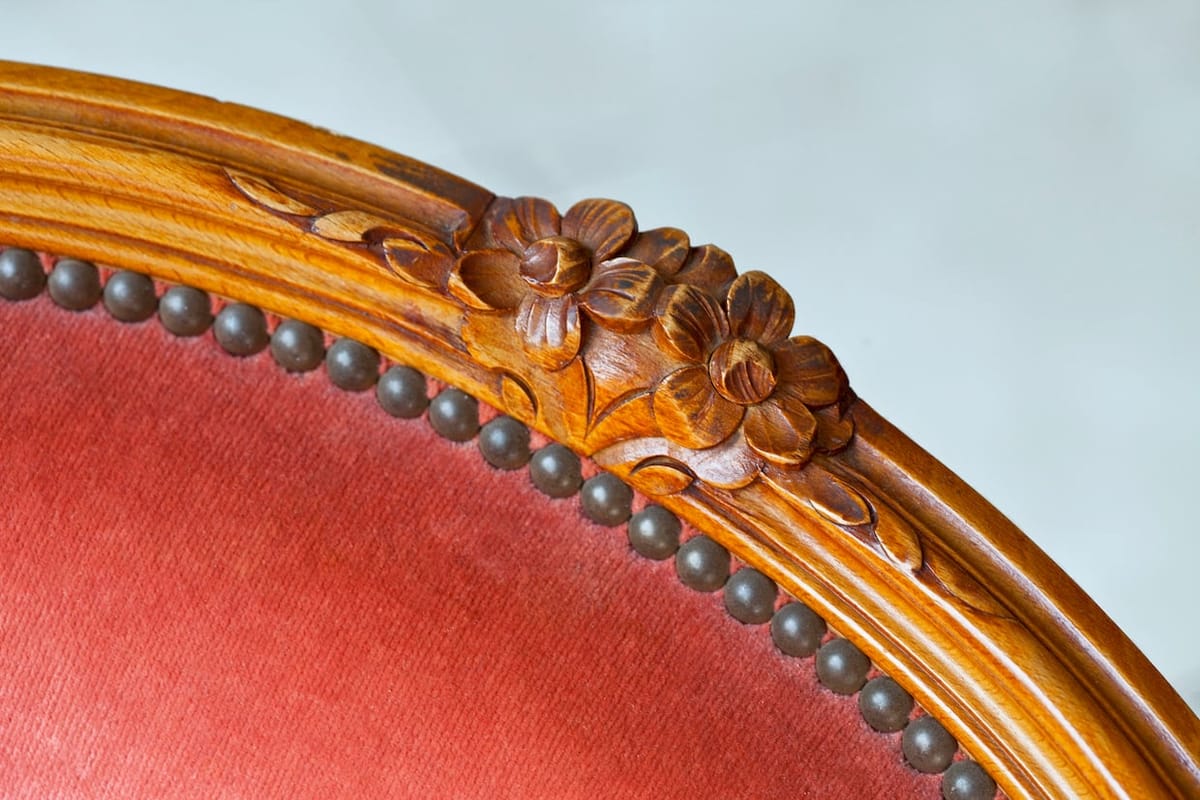
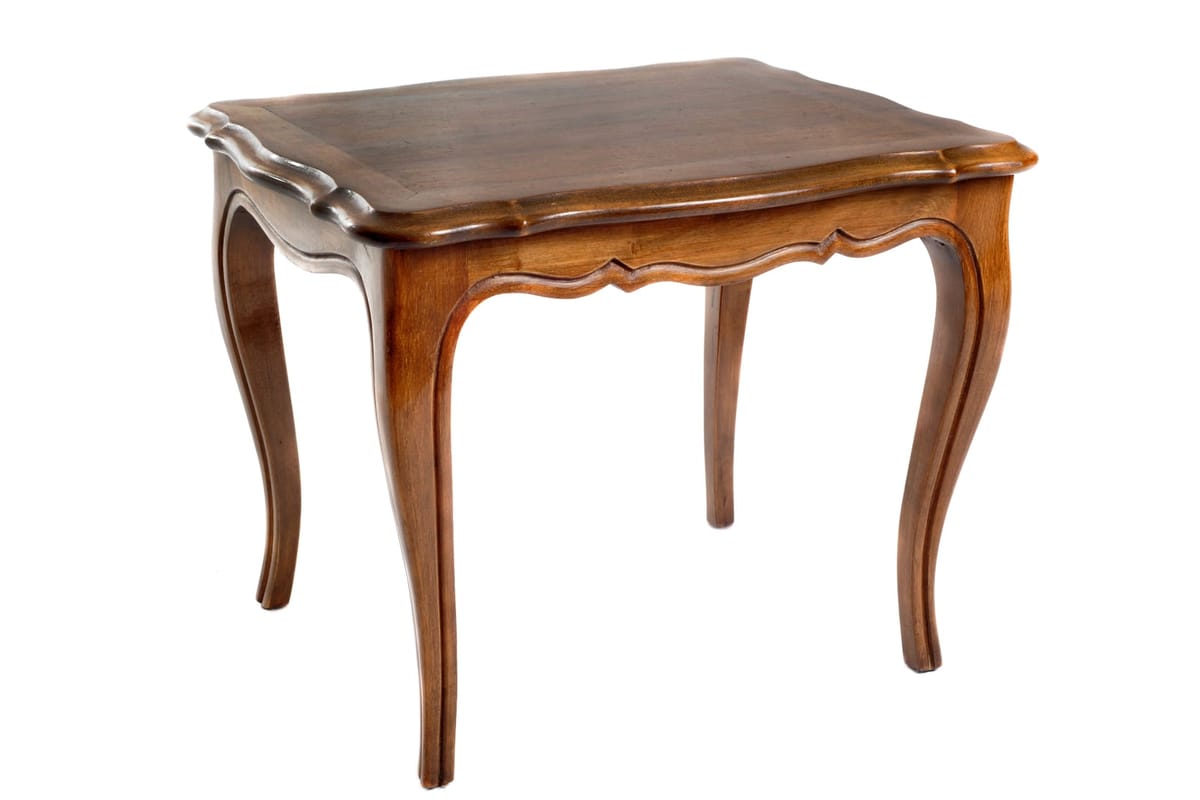
In the early modern period (1400–1800), movements such as the Renaissance, the Baroque and Neoclassicism also left their own deep, powerful mark.
Human greatness shows in every work of art people have made throughout history.
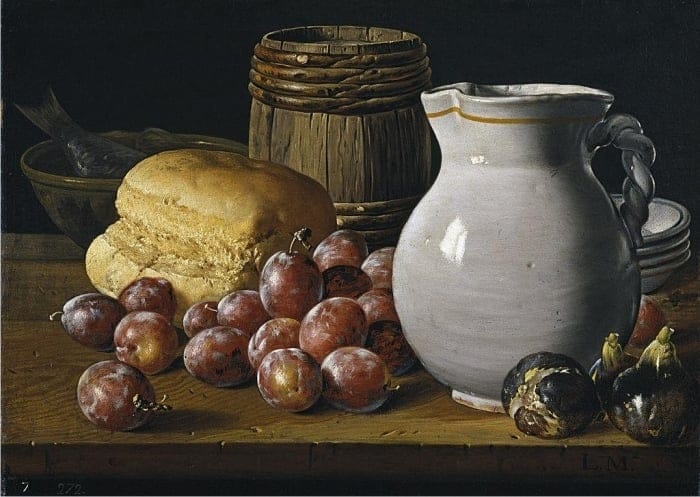
In the contemporary age, society’s way of life has changed enormously in a short space of time.
The world view became anthropocentric, and the Industrial Revolution brought structural change to society.
After the Second World War, around the 1950s, consumerism took off.
Each artistic period has reflected its own view of the world and of life, and that has also shown in the way spaces are decorated, furniture is made, and colours, textures and fabrics are chosen…
Works of architecture, sculpture and painting have become part of the cultural heritage of humanity.
THE INTERIOR DESIGNER
Around that time, in the 1950s, interior designers started to appear. Interior design became a widely accepted profession. Its aim is to design spaces that meet the practical and aesthetic needs and expectations of the people who use them, and so to improve the way people relate to their surroundings.
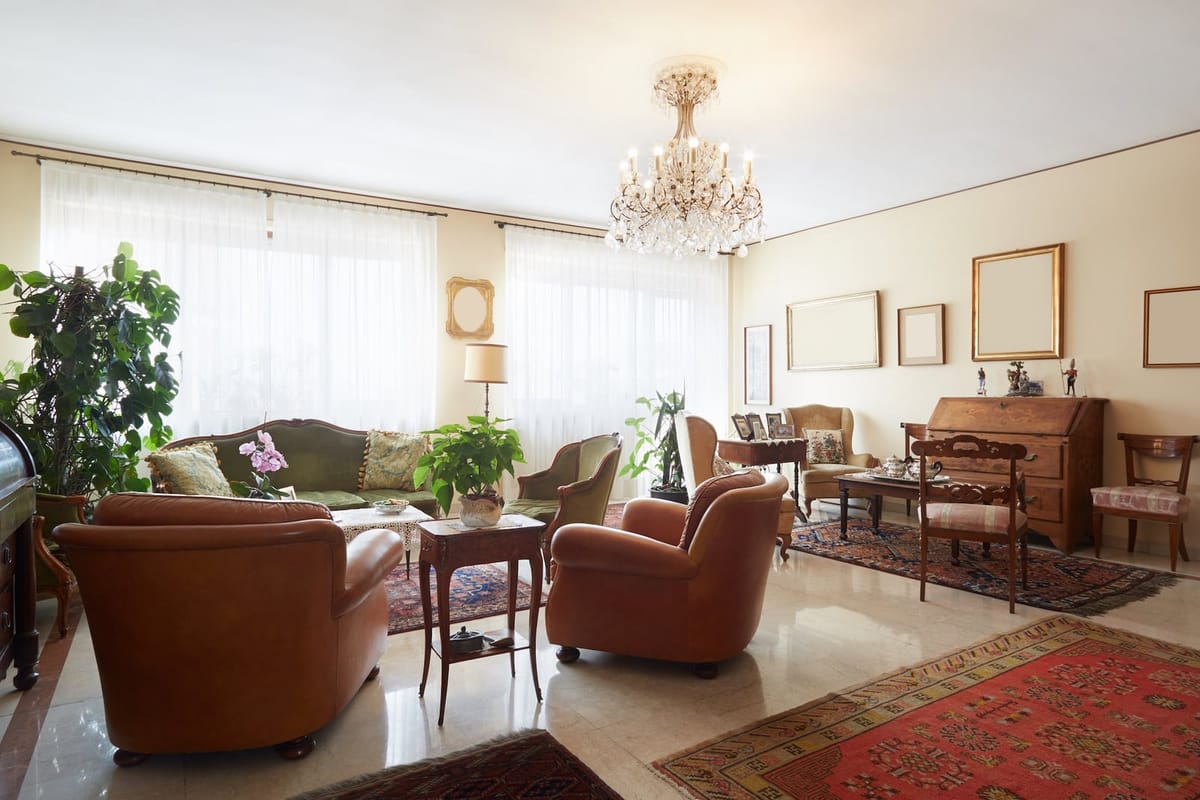
Interior design draws on design principles and on environmental, economic, legal and social considerations.

Since it first appeared, interior design has kept on evolving, offering a rich variety of elements and styles. It has faithfully and creatively expressed the different stages our society has passed through.
SYNTHETIC FIBRES AND PLASTIC: a walk through their history
As early as 1600 BC, ancient Mesoamerican cultures were processing natural rubber into solid objects, such as bands for binding axe heads to their wooden handles.
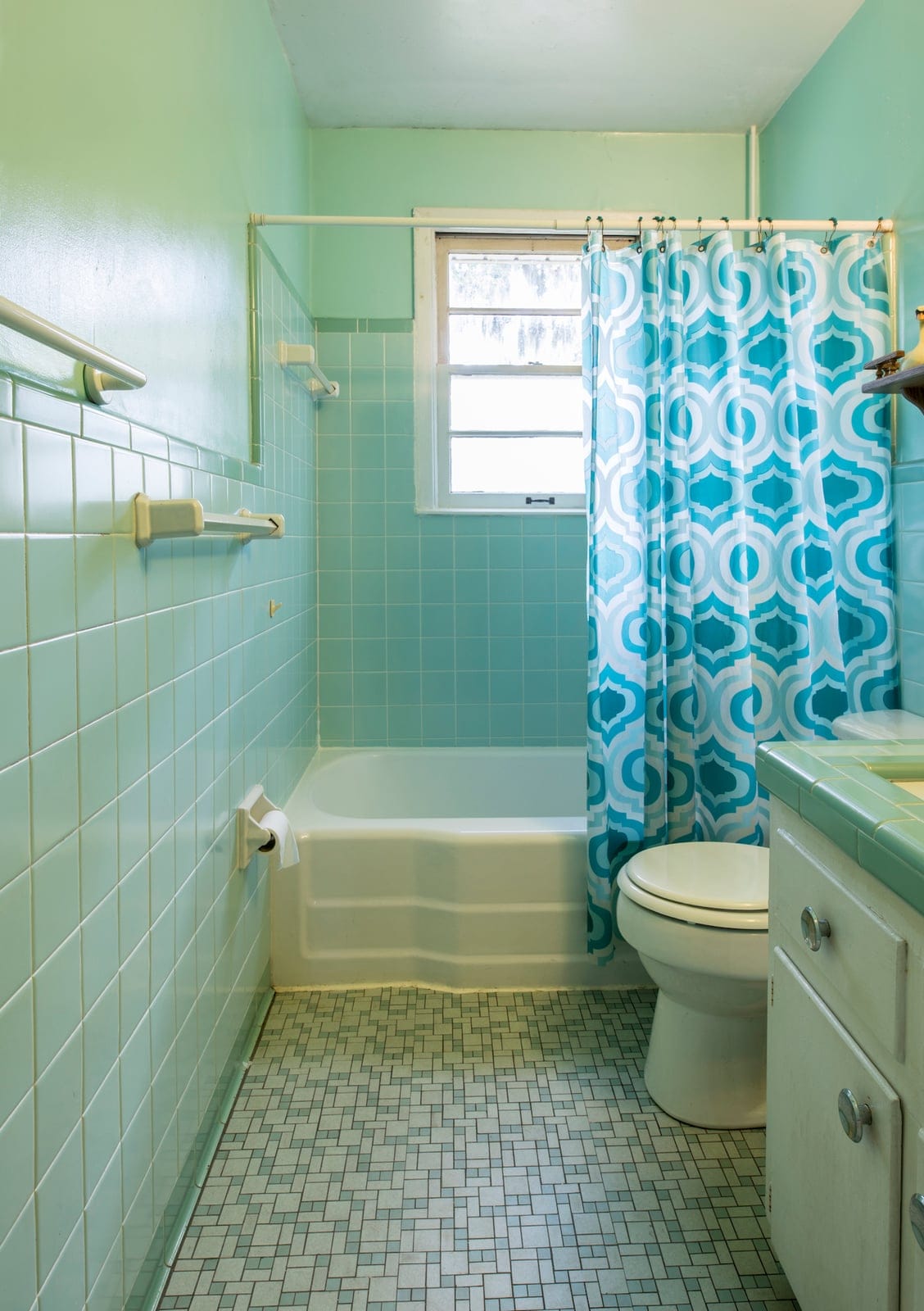
Acrylic car floor mat
It was in the last century, though, that materials similar to rubber, but synthetic rather than natural, first made their way into the design of indoor and outdoor spaces. The main ones were synthetic fibres and plastic.
SYNTHETIC FIBRES
The first synthetic fibre, rayon, was created by Swan in London in 1885, and was known as ‘artificial silk’. It first went on sale in 1889. Its success led others to develop similar fibres, such as acetate (1893) and nylon (1931), which was called ‘the miracle fibre’. Acrylic fibre appeared in the 1950s, along with polyester.
PLASTIC
Ordinary plastic is made up of a range of synthetic or semi-synthetic organic compounds, usually produced from petroleum derivatives (petrochemicals).
It isn’t biodegradable, yet its use has kept spreading, and today it’s everywhere, in every home and in industry.

Objects made of this material became more and more common over the last century, because it’s versatile, easy to make and cheap. Plastic is malleable: it can be moulded into solid objects in all kinds of shapes, which gives it a huge variety of uses. That’s why it’s still used for furniture and design accessories, and above all for electronics, small containers and storage organisers.

The invention of this material mattered so much that we’ll set aside a short section of another article to explain its origin, properties, advantages and disadvantages. We’ll also look at why new technologies are needed for recycling or recovering it. We’ll see, too, that it’s worth continuing to research biodegradable plastics, such as those made from cassava or maize starch, which can be manufactured in a way that respects the environment.