Light in your home
Lighting your home
Think about how light is arranged and how it comes into the house, its intensity and colour, where it falls in each room and how that suits the way the family lives. Think, too, about how sustainable it is, what it costs to run, and the price and upkeep of the lamps and bulbs you buy. Lighting plays a crucial part in your life. Here’s why.
You can do lovely things with light: bring a lively feel to the house when it’s time to work, or a calm, intimate one as you wind down at dusk, simply by using indirect lighting in the right tone.
Let’s start with a technical point… and a practical one: directional light and diffused light.
A lamp can give out light in two different ways: directional or diffused.
– Directional light comes from lamps that send a concentrated beam onto a particular surface. These lamps usually have opaque, reflective shades, which is what concentrates the light.

More things to consider about lighting your home:

In nature, light works in cycles, and they set the rhythm of everything. We can watch the seasons follow one another, each so different, with a character of its own, and see the trees shed their leaves and then grow them back with new vigour. We can watch every sunrise followed by a sunset, the unchanging phases of the moon, rain giving way to sun… the tides rising and falling with the moon, the ebb and flow of the waves…
So the rhythms of nature shape our own lives too, even when we’re unaware of it. Does this affect how we design our homes?


From an ecological point of view, using less energy also means cutting CO2 emissions and making more sustainable use of natural resources and of the energy sources themselves, which protects the environment. This matters, because it’s part of the sustainable development we need, which means thinking about the needs of future generations.
Light at bedtime
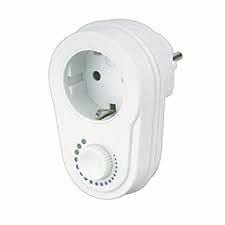
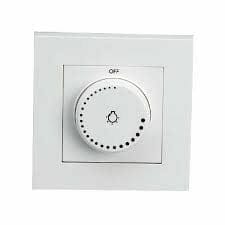
As bedtime approaches, you can turn the lights down around the house: just switch off a few lamps or use the dimmers… and remember to stop using the white-light bulbs and keep only the warmest ones on. It makes it easier for the whole household to head off to bed. As well as helping you when you want to relax, this little trick works especially well when there are children at home.
Now, to finish, here’s a special suggestion for the little ones.


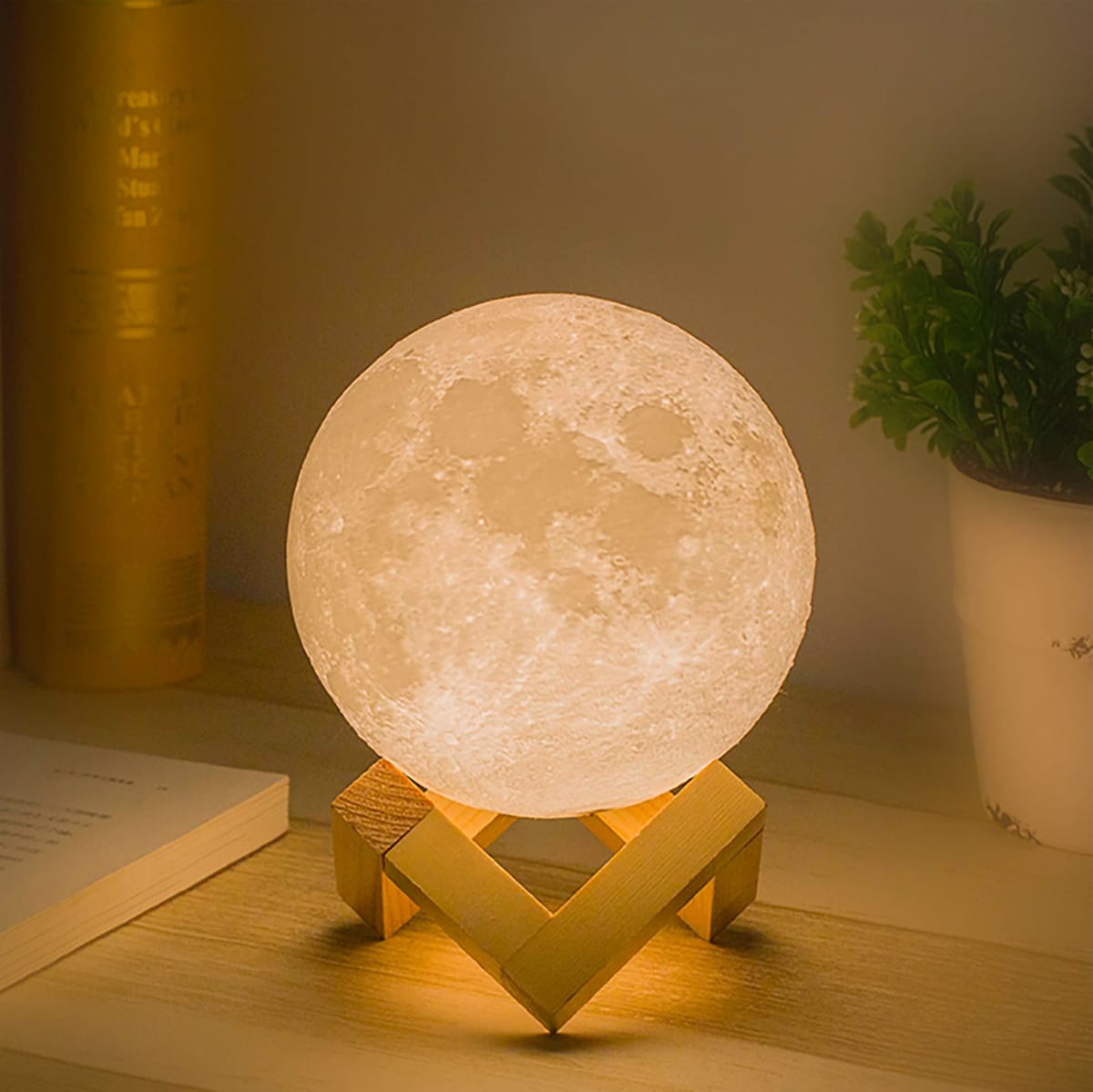
Here’s the idea: with the Moon at Home LED lamp in your hand, you can use the language of nature to talk without words to your children, or to grandparents and the rest of the household.
First, switch it on at full brightness, in white light that imitates daylight.
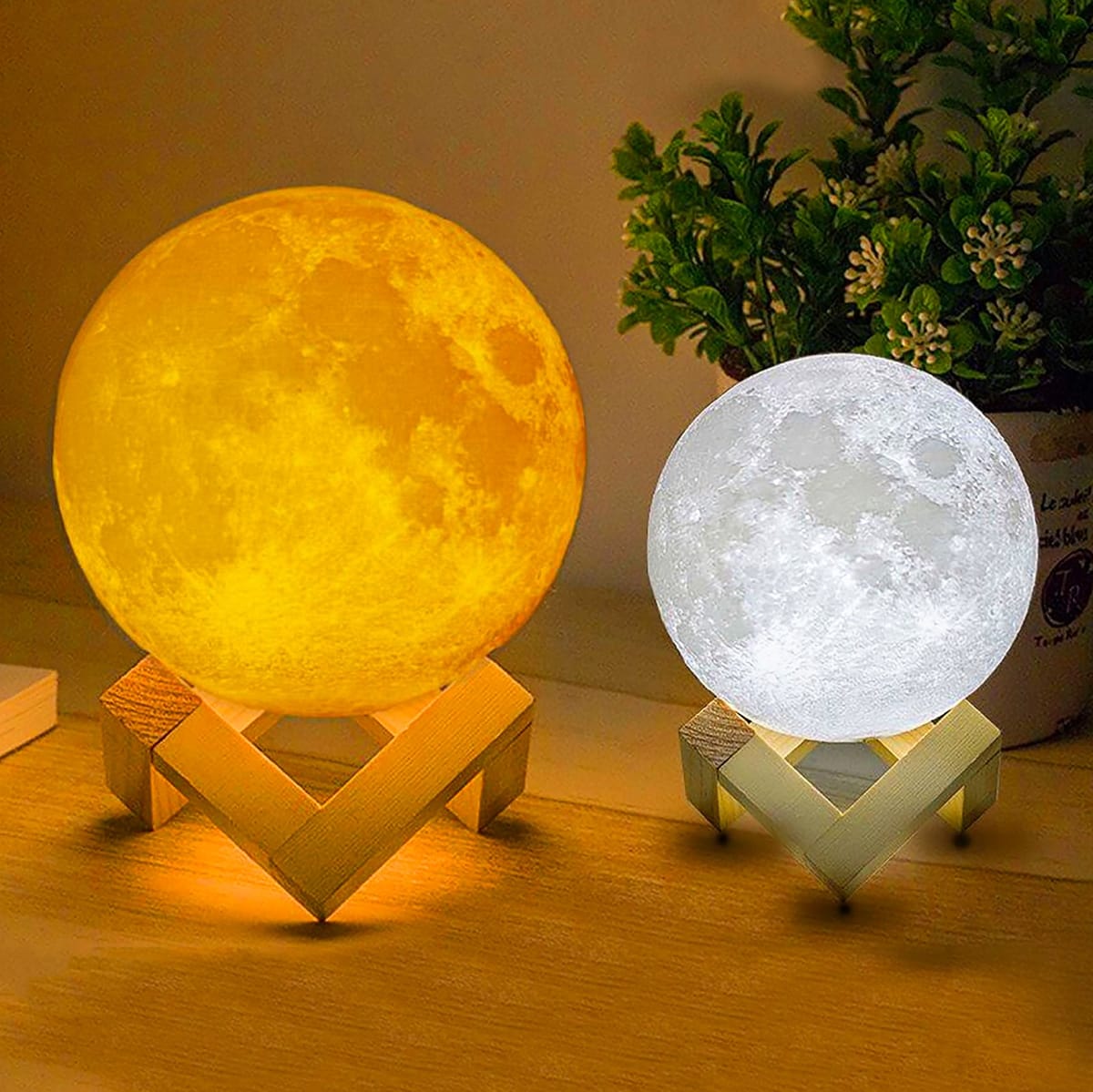
Later, as bedtime approaches, switch it to warm light. Finally, turn the brightness right down, and it stays on as a distant glow that softly lights the children’s room.