V. Sustainable living: natural resources
STEP THREE: Get to know natural resources and look after them
NATURAL RESOURCES
Resources we need, and that need us
A sustainable lifestyle means paying attention to the planet’s natural resources and wanting to enjoy them, look after them and help them thrive. An eco-friendly or sustainable home reflects this awareness of belonging to a natural system on which we depend, and which depends on us.
As human beings we’re in constant contact with the world around us. We need its resources, and it’s wise not to waste what we get from it. It’s best to take from nature modestly, watching it closely and with deep respect for the laws that make it possible. When we use what the earth gives us, we need to give it back in keeping with the earth’s own cycles. In this way, the universe recycles itself naturally, so it lasts and stays beautiful.
We suggest reading this article on biodegradable materials (in Spanish): https://elblogverde.com/materiales-biodegradables/#Los_materiales_biodegradables
SOCIAL AWARENESS
Taking sustainability into account is vital for our own lives and for those of the generations to come. If we ignore it, they may one day find themselves in a different world that can no longer sustain them. It would be a world ‘redesigned’ by human hands, the result of short-sighted, self-centred thinking that can wear away all the beauty nature offers until nothing is left of it.
So we need to change our mindset and pay more attention to the world, humanity and nature as a whole. We need to open our eyes and commit to sustainable development. Initiatives and movements that express this new concern keep springing up. Here are a few examples:
UNEP FI
1. Initiatives such as UNEP FI’s commitment to biodiversity and ecosystem services http://www.unepfi.org/about/structure/secretariat/
LAUDATO SI’
2. Pope Francis’s encyclical Laudato Si’, in which, faced with ‘the environmental challenge we are undergoing’, he writes: ‘I urgently appeal, then, for a new dialogue about how we are shaping the future of our planet. We need a conversation which includes everyone’. He asks us to show ‘mercy to our common home, the earth’ and says that ‘we want to offer our contribution to overcoming the crisis humanity is going through’.
BRAD PITT, LEONARDO DICAPRIO AND THE ENVIRONMENT
3. The environmental campaigning of actors such as Brad Pitt and Leonardo DiCaprio. DiCaprio gave a much-applauded speech at the United Nations in New York on 22 April, in which he said: ‘Think about the shame that each of us will carry when our children and grandchildren look back and realise that we had the means of stopping this devastation, but simply lacked the political will to do so.’ More on his work for sustainable development (in Spanish): https://sostenibilidad.semana.com/medio-ambiente/articulo/leonardo-dicaprio-un-ejemplo-para-la-defensa-del-medioambiente/35813
ENVIRONMENTAL MOVEMENTS OF ALL KINDS
4. The many movements with an environmental focus that keep emerging also show how alarmed society is, and how much people want to improve the situation.
Those who want change are adopting new ways of living.
You can see this new mindset in the way one mother puts it on her blog:
‘Respectful parenting, in tune with our children’s needs, goes hand in hand with respect for “Mother Earth” too, who sustains us and also needs us. Little by little we’ve made changes in our home and in our daily routine that are bringing us closer to being a more ecological, sustainable family’ (blog: demicasaalmundo.com)
THE SUSTAINABLE LIFESTYLE
- In short, we’re talking about a new way of living, and a new approach to building and decorating our homes. What’s known as the sustainable lifestyle is giving rise to a new trend that favours what’s natural and sustainable.
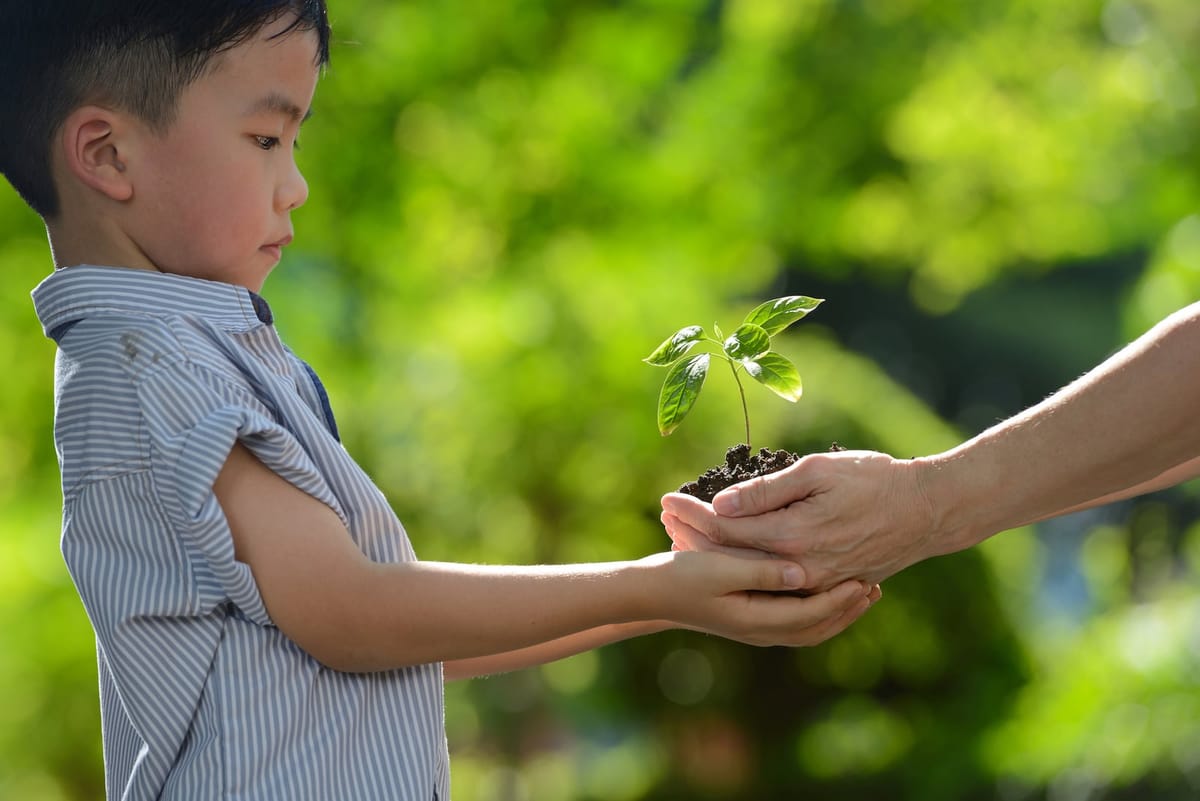
More and more people realise that natural resources belong to everyone, and that using them means caring for them. You can’t milk a cow and then leave it without pasture and fresh water. You can’t fell a forest without thinking about replanting it, or live without regard for what the planet’s green spaces need. Looking after them means looking after ourselves too, because this planet is our home.
The riches of tropical forests and rainforests
Our tropical forests and rainforests are the oldest and most complex ecosystems on earth. They’re said to have taken between 60 and 100 million years to develop. They’re essential to life, and home to more than 30 million species of plants and animals. They store water like a giant sponge. In fact, the Amazon rainforest alone is thought to hold more than half of the Earth’s rainwater. Their trees draw water from the soil through their roots and return it to the air as mist and cloud.
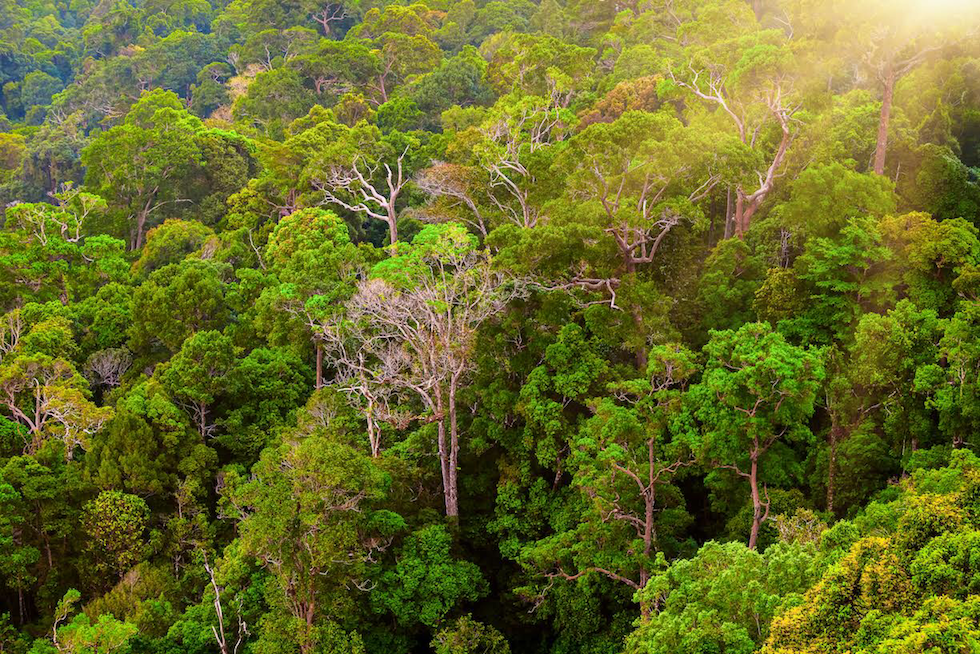
More than 25% of modern medicines come from just 1% of the plants in tropical forests and rainforests. That’s how rich they are. Take the Madagascar periwinkle (Vinca rosea), which fights leukaemia, or the Andean cinchona tree, whose bark gives us the quinine used against malaria. These forests are also home to indigenous peoples who depend entirely on the forests’ survival. We urgently need to stop deforestation. We’re slowly learning to look after the earth, but there’s still a long way to go and some mistakes to undo.
We get things wrong…
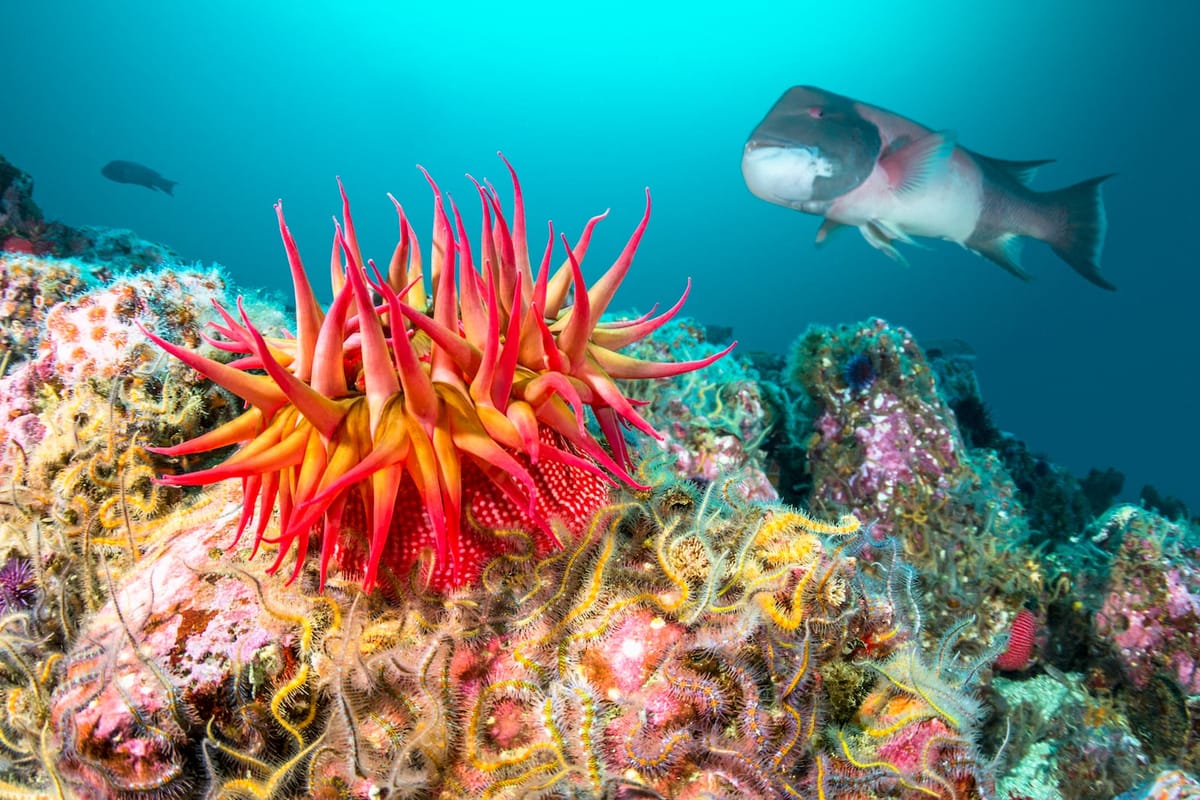
Countless misguided habits, some of them well-intentioned, have been working ‘against’ our planet’s ability to sustain life. The microplastics found in many products, such as cosmetics, are turning up in the digestive systems of marine life. More than 220 species take them in, and some of these end up on our plates. Fortunately, the microplastics are found in the part of the fish we usually remove before eating it. The people most exposed to swallowing microplastics are those who eat small fish whole and most kinds of bivalve. According to the FAO, 225 grams of mussels can mean taking in seven micrograms of plastic: almost 0.1% of total daily food intake.
Working to improve things
The OCU, the Spanish consumers’ organisation, stresses how important it is to read what our clothes are made of and to choose natural fibres (wool, linen…). It says that synthetic fibres (polyester, elastane) shed microplastics through friction, both while we wear them and in the wash. It also recommends that, before buying anything plastic, you look for a second-hand alternative or one made from other materials. You can read the rest of its recommendations here (in Spanish): https://www.elespanol.com/ciencia/salud/20180606/sal-marisco-vende-espana-contiene-microplasticos/312969005_0.html
Furniture and homeware made from natural materials don’t release polluting substances into the air inside our homes. That’s one reason why a new style of decorating inspired by the sustainable lifestyle is on the rise.
It isn’t easy: global warming, deforestation and pollution are undeniable facts
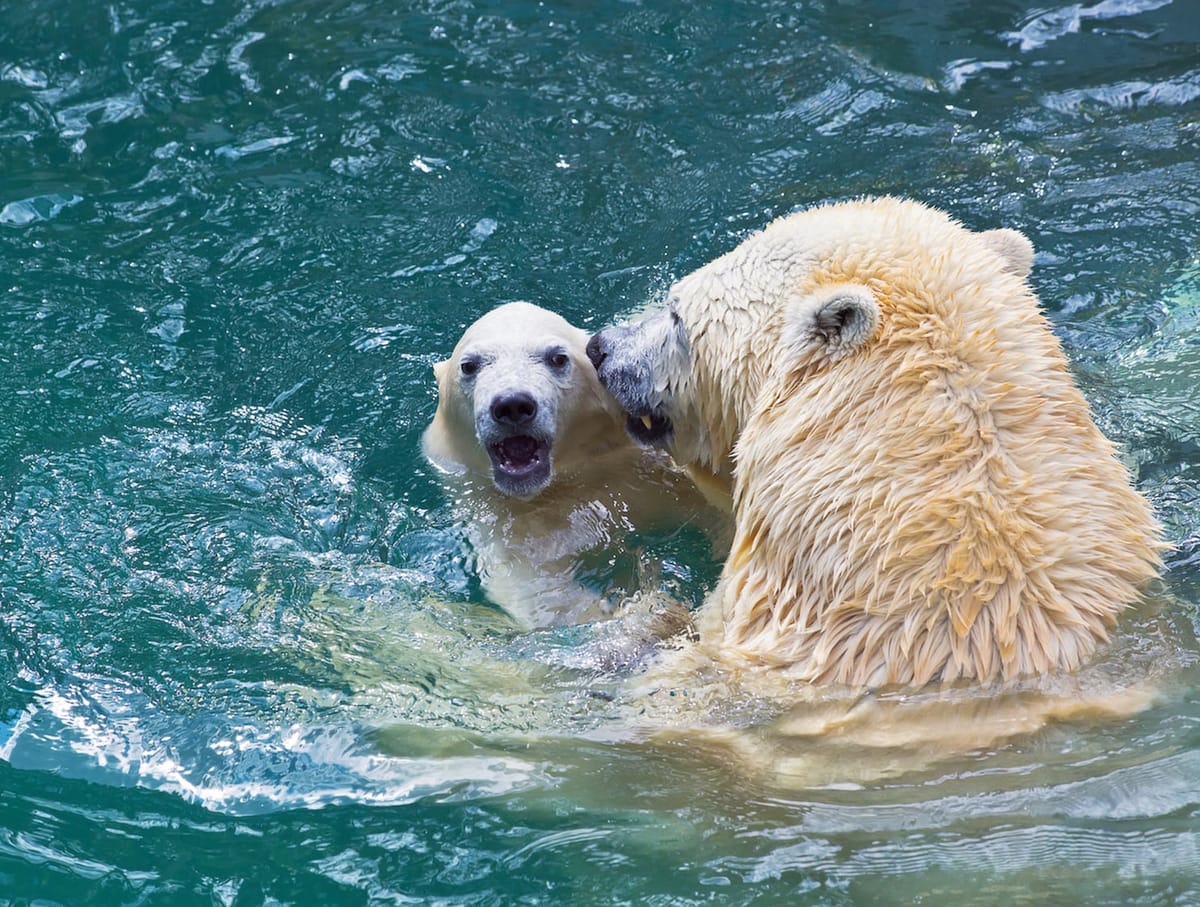
The ice is melting at an unstoppable pace because of global warming, and that is endangering species such as the polar bear. On this subject, we suggest watching the documentary Earth (Tierra: La película de nuestro planeta in Spanish): https://www.youtube.com/watch?v=obu3WBcgQf8
ENDANGERED SPECIES
At this rate, the children of 2100 may find that one in six of the species their ancestors knew has died out. High energy consumption is having a worrying effect on the earth: it has caused global warming, which is also forcing changes in what communities can grow and endangering the lives of many species, human beings included (see, in Spanish, https://www.soyresponsable.es/medio-ambiente/calentamiento-global-hara-desaparecer-mas-animales/).
Deforestation, harmful emissions into the atmosphere and heavy metals in fish from polluted water, among other things, do such serious damage to the way the ecosystem works that it’s still hard to estimate their long-term consequences. What we can do is start to turn things around: become more aware and change our habits, aim for a sustainable lifestyle that takes the ecosystem’s needs into account, and choose a healthier life for everyone.
Conclusion: a change of course
All this makes it clear that our way of life needs to evolve and change course. We can learn to think more about living things as a whole, to take nature into account and to commit to the sustainable development of the planet. There’s a great deal to discover here and, as we’ve seen, initiatives are springing up to encourage it. One example is the ‘Sustainable Lifestyles and Education Programme’ (in Spanish): http://www.oneplanetnetwork.org/sites/default/files/10yfp-sle-brochure-es.pdf. The glorification of individualism is losing ground in society. We’re slowly coming to realise that we are dependent by nature, from the moment we’re born and for the rest of our lives. No one gives themselves life, nor can they give it to others. That’s how we’re made. If you like, you can watch the video a pilot made with footage shot in flight, ‘Vivir intensamente la realidad’ (Living reality to the full): https://www.youtube.com/watch?v=aB2tITFNM-8
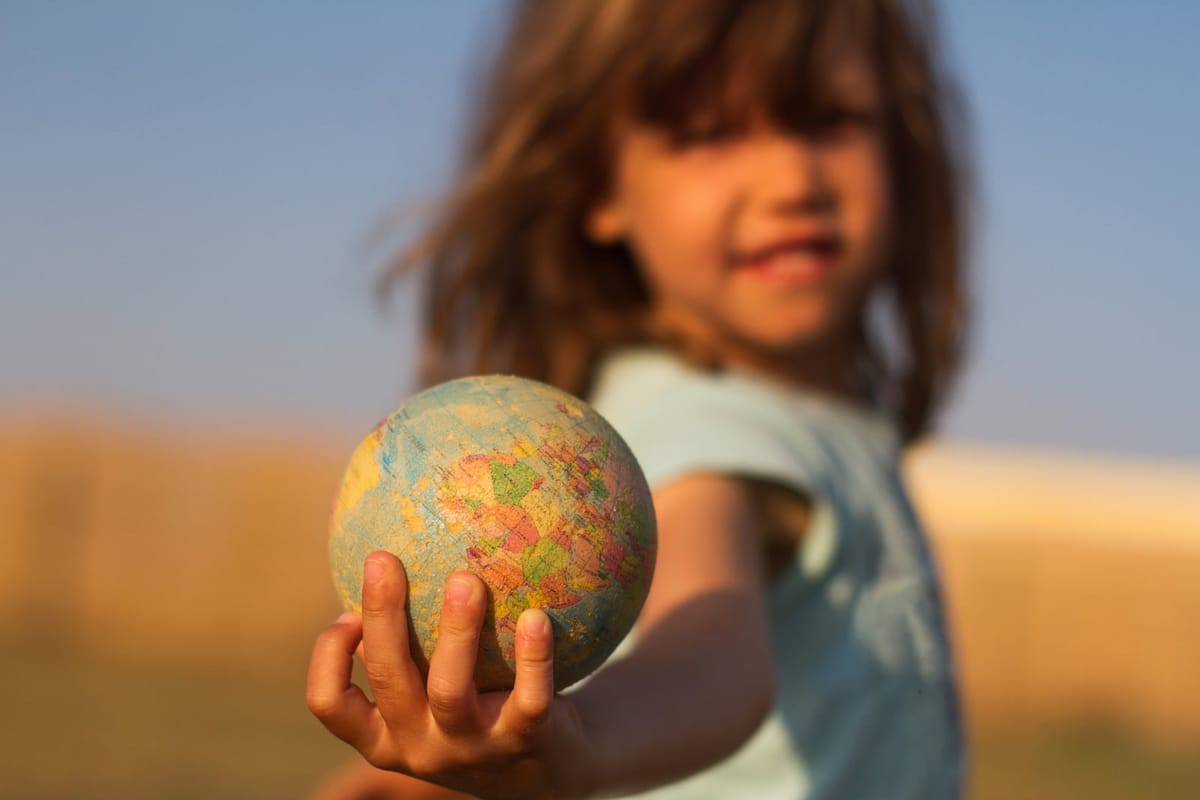
If we choose to, we can change and make the world more humane. By change we mean taking a real interest in life again: in yours, in mine and in everyone’s. It means committing to fellowship and solidarity among all of us who make up the one reality we call humanity. And looking at creation together once more, with true love and responsibility.