II. Sustainable living: plants
In this second article in our Introduction to Sustainable Living series, we suggest the first of three simple steps you can take to start moving towards this style of decor.
STEP ONE:
Fill your home with nature and life
If you haven’t already, we suggest making room for all kinds of indoor and outdoor plants.
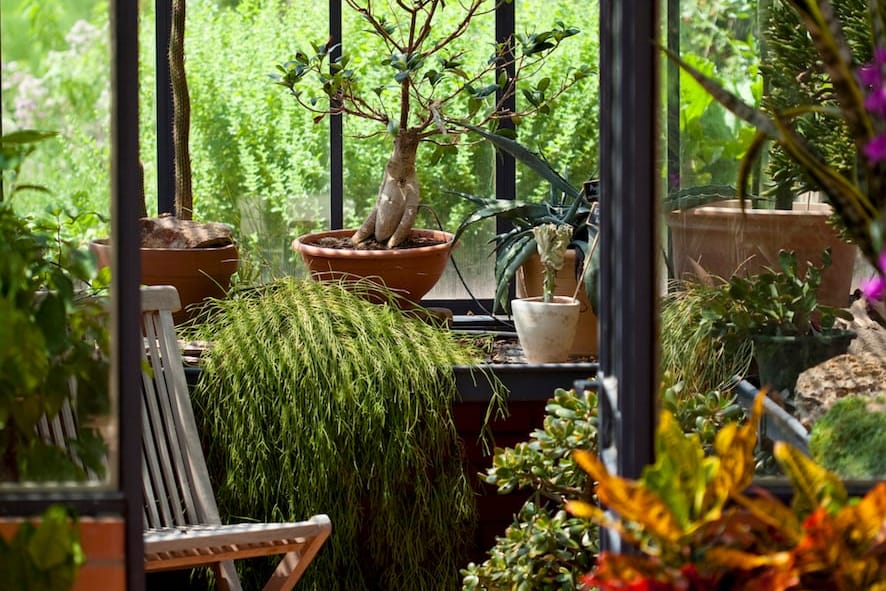
The idea is to bring nature and life into your everyday surroundings, at work and at home. Living with plants is healthier, because they improve the air you breathe. It’s a sound investment in health and happiness: as well as purifying the air, plants keep you company and have a calming effect. We’ll also tell you about trends such as the ‘urban jungle’.
KITCHEN HERBS
Parsley and basil
Fresh herbs brighten up the kitchen and flavour your food, and they give you plenty of scope to be creative as a cook. You can change them with the seasons. Parsley and basil should always be within reach. Once you get used to cooking with both, you won’t want to be without them, and your family’s diet will be far richer in nutrients such as vitamin C.
WHERE TO PUT THEM
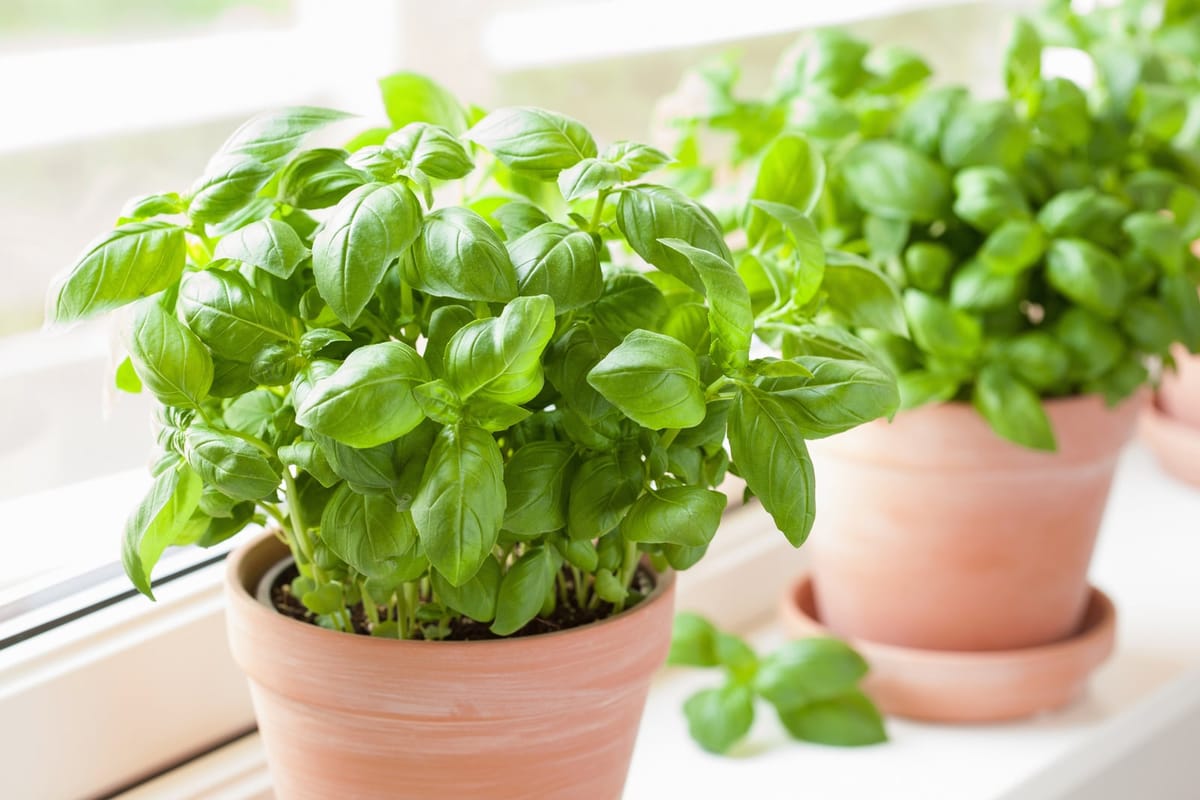
We recommend giving them a spot of their own in your home, even if it means putting them on the wall. On our website you’ll find small plaited sisal baskets that are ideal for this, and hand-woven macramé hanging planters too. Either way, remember that plants love light. Parsley and basil are easy to look after: all you need to do is water them, and you can use the water left in the glasses after a meal. The water we drink is usually good quality, and plants like it. And when either of them starts to flower (you’ll spot it straight away), snip off the flowering sprig so it doesn’t sap the plant’s strength and aroma.
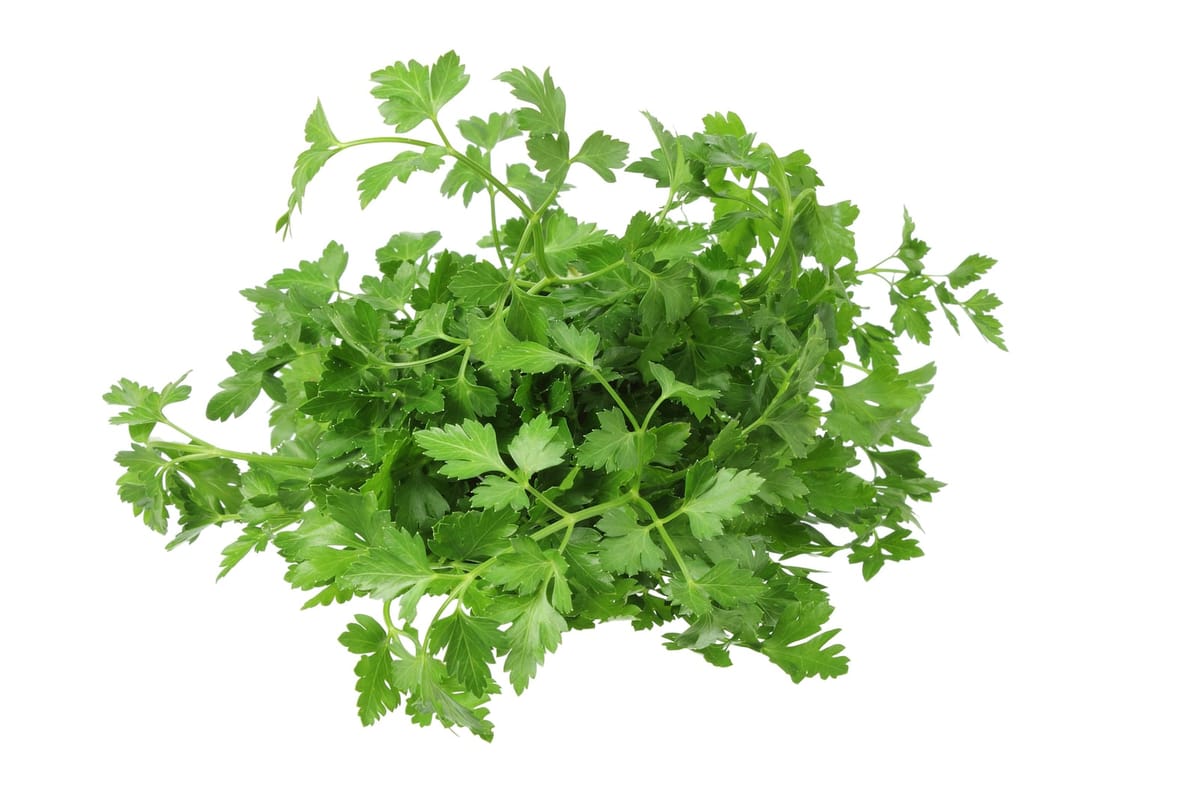
All the same, bear in mind that their leaves are going to end up in your cooking, so you’ll need to replace them often. Some supermarkets sell pots of parsley and basil in the vegetable section for most of the year. If growing them isn’t an option for you, you can keep cut sprigs fresh for two weeks: put them in a tall glass or a vase on the worktop, out of the sun. They’ll be almost as nutritious as they were in the pot, and the sight of their green stems will cheer you up.
Herbs in jars, too
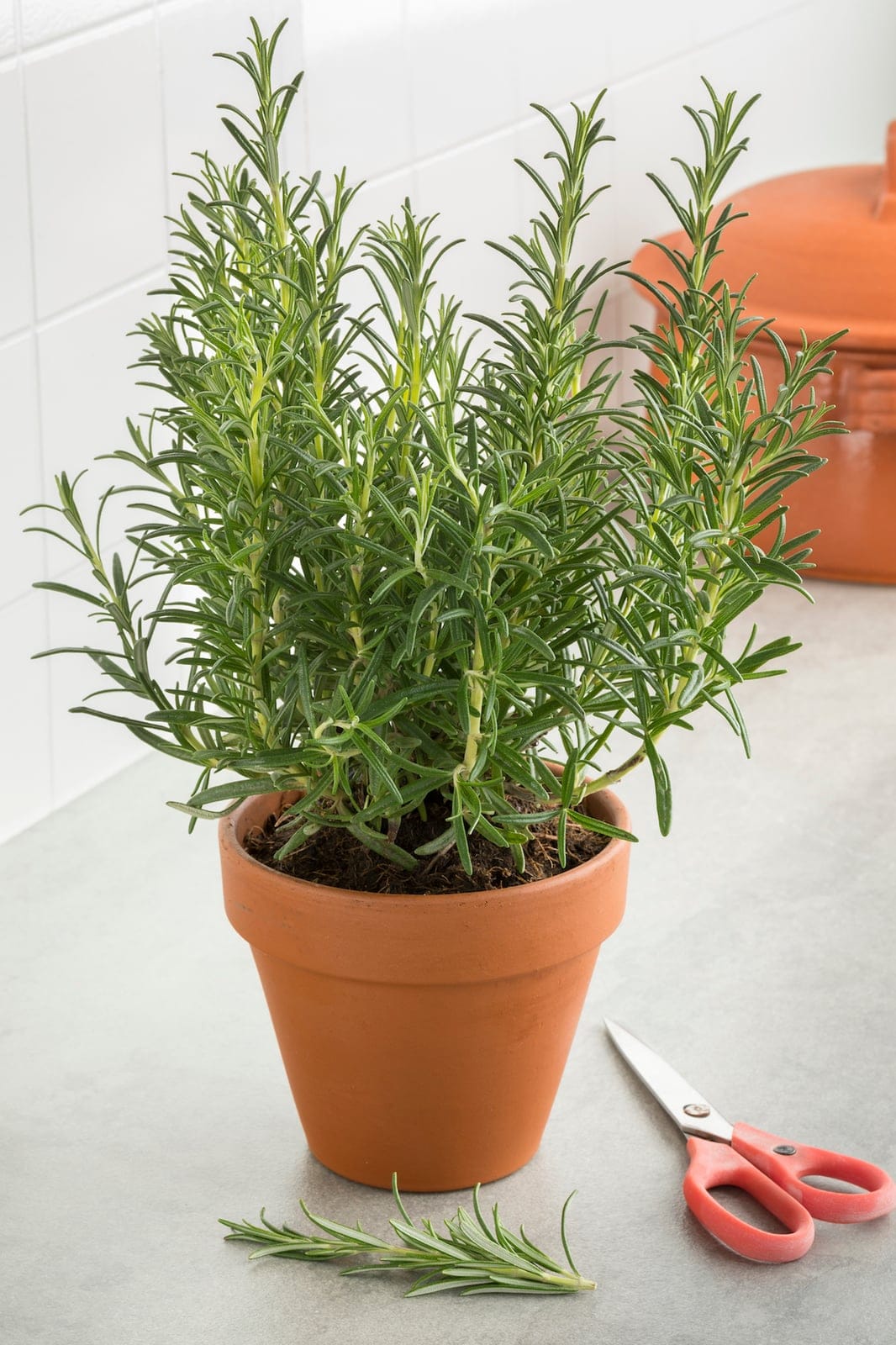
Plenty of other herbs will season almost anything you cook, and you can keep them dried in jars, close at hand. We recommend bay leaves, ground cumin, sage, ground ginger, chives, rosemary, oregano and thyme… Try cooking with them. The last five are true essentials.
Oregano has a light flavour and goes with almost everything. Chives add a fun bit of crunch: stir them into a salad dressing, or scatter them over soups and purées at the last moment (always finely chopped). They go with practically every dish and sauce, and they make a lovely garnish. Rosemary, with its strong scent of the hillside, goes well with main courses and is a tonic for the whole body.
Thyme
Thyme is also a good all-rounder, because it goes with parsley, garlic and onion, which, along with bay leaf, should be in almost all our meals. Be careful, though: it has a strong flavour and needs proper cooking, unlike oregano, which blends gently with everything. Interestingly, thyme is a good disinfectant for the skin: boiled for twenty minutes with a little salt, it helps fight mouth ulcers and sore throats.
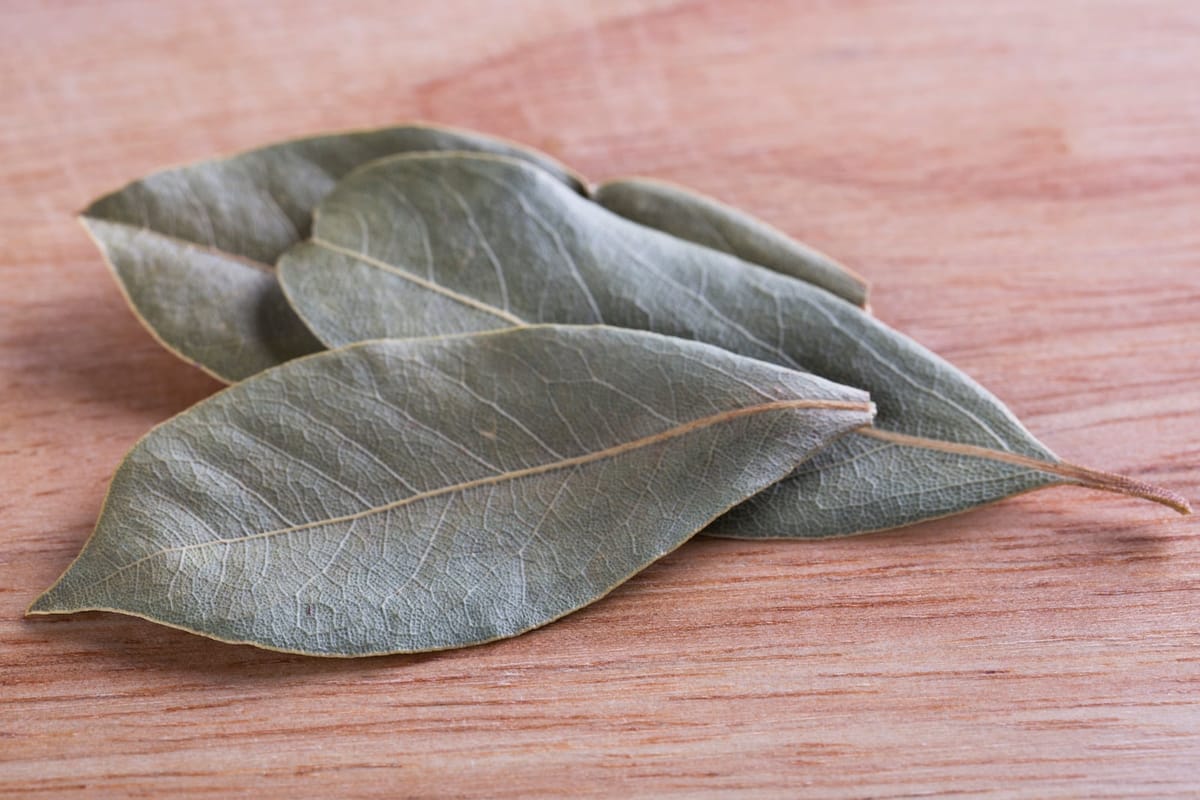
Ginger and bay, two essentials
As for bay, make a habit of adding it almost every time you boil rice, potatoes, grains, vegetables or pulses, and to any stew made with meat or plant protein. A single leaf makes your dish more fragrant and easier to digest. Cumin helps too, and ginger most of all. Fresh ginger root juice not only aids digestion but also warms the body. It’s well worth learning to use it in almost everything you cook in winter, sweet or savoury. It also makes a lovely infusion. There are guides and cookery courses online about this and other essential cooking herbs.
HOUSEPLANTS
Houseplants give a home a sense of harmony. Just as a final sprig of basil, parsley, chives or coriander finishes off a plate, the green of houseplants helps bring everything in a room together. Plants, living things that keep us company with their slow growth and constant, silent breathing, are good friends to have at home.
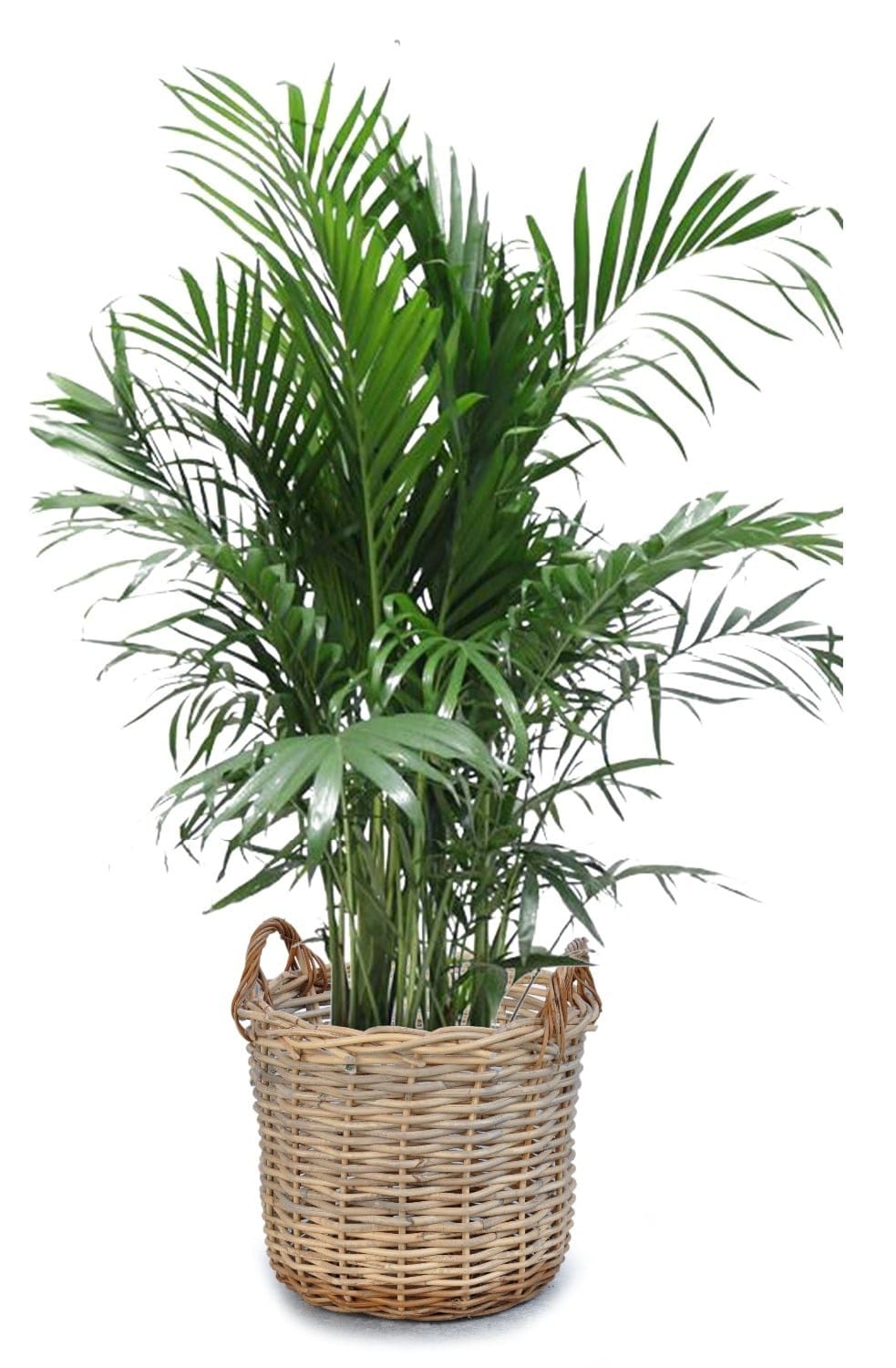
If we want a home built around sustainable living, plants are essential. The word itself, ‘sustainable’, means seeing ourselves as part of a natural system, always dependent on and connected to everything in it. It means we want to look after that natural system so that it lasts over time and can, in turn, look after future generations.
Plants bring a home to life, and they give us back the contact with nature that we need. In cities especially, these living companions are a real comfort.
WHERE TO PUT THEM
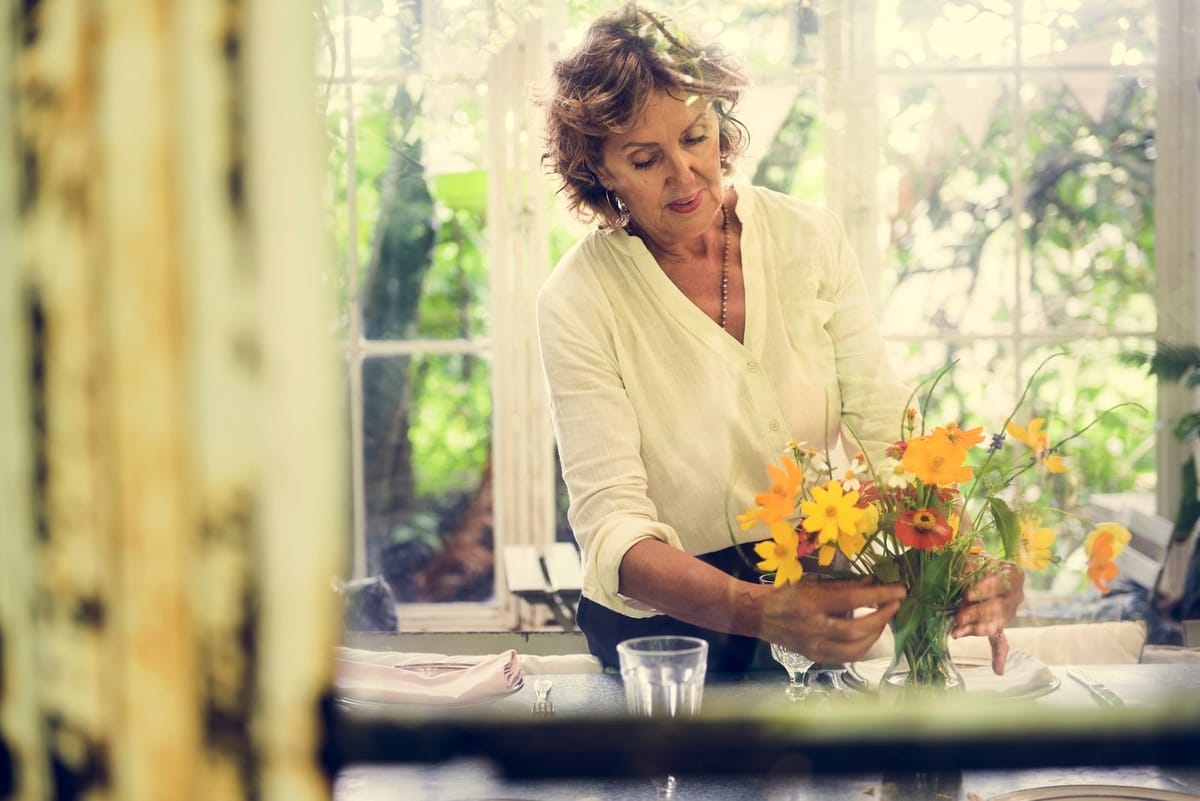
Plants add beauty, purify the air and bring calm to a room. They’re great allies. It’s worth finding the best corner, shelf or wall for each one, because they’re there to brighten up our home.
It’s best to keep them out of the way, so they never block hallways or doorways.
A tidy, uncluttered space is also a big part of what makes a home welcoming and peaceful. Feng shui recommends placing plants with pointed leaves in corners and dark nooks, and those with rounded or heart-shaped leaves where the family spends time together. Succulents are a very good choice anywhere in the house: they’re beautiful, hardy and so easy to care for.
A reading corner
You can create a reading corner with tropical plants near the window. Plants like these, in baskets and planters made from natural fibres such as wicker or esparto, are very much on trend. Keep them lush and beautiful. Let wilted plants go, and choose living plants over dried arrangements. Living plants are good for our health and our peace of mind, and that’s worth making the most of. They keep us company, for one thing, and they reduce stress.
In future articles, we’ll say more about the many kinds of houseplants, how to care for them and the good they do.